Barcelona is often described as a city best explored on foot, and for good reason. With its compact neighborhoods, mild climate, and pedestrian-friendly streets, walking is not just possible but genuinely enjoyable. Whether you are visiting for a short city break or staying longer, Barcelona rewards travelers who choose to discover it step by step. From historic quarters to seaside promenades, the city offers a walking experience that feels natural, safe, and full of character.
A City Designed for Walking
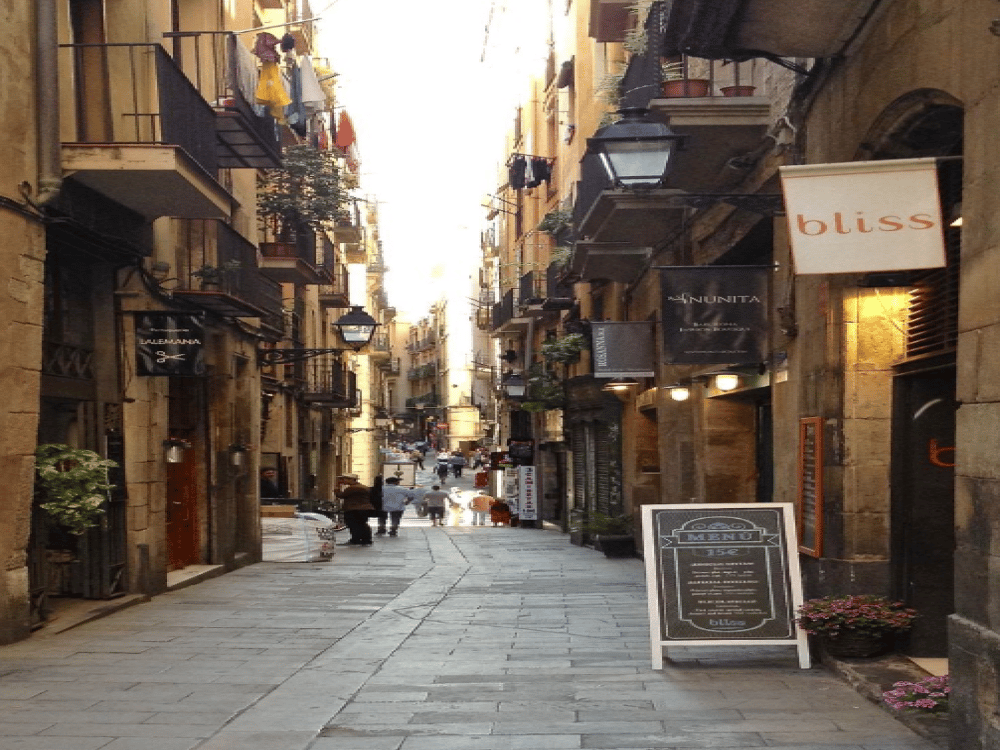
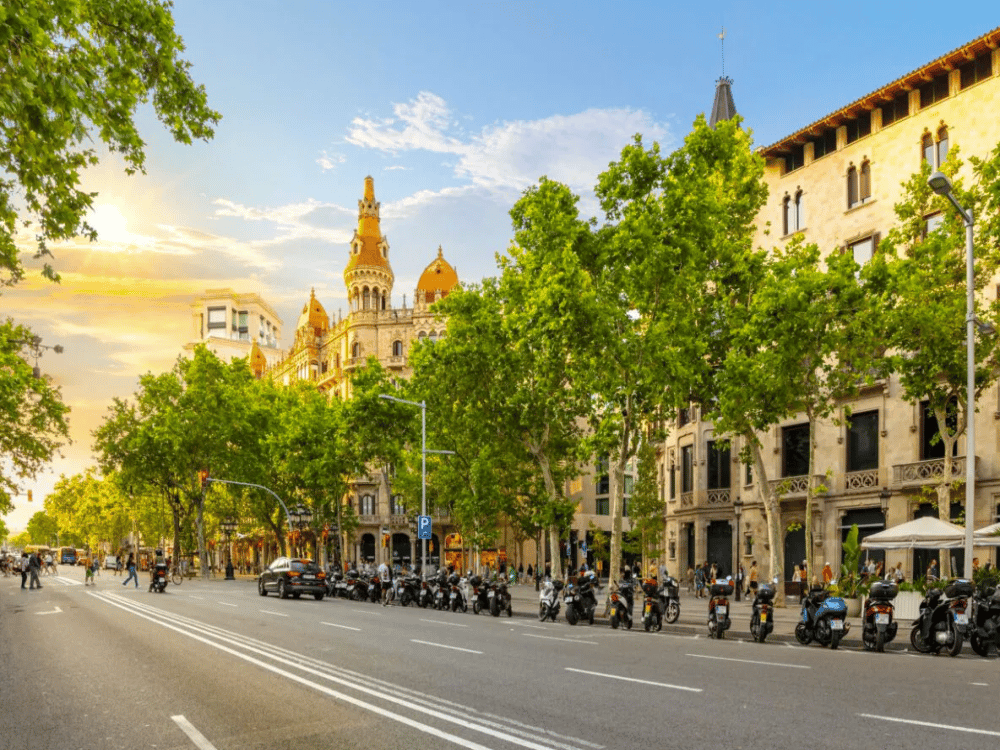
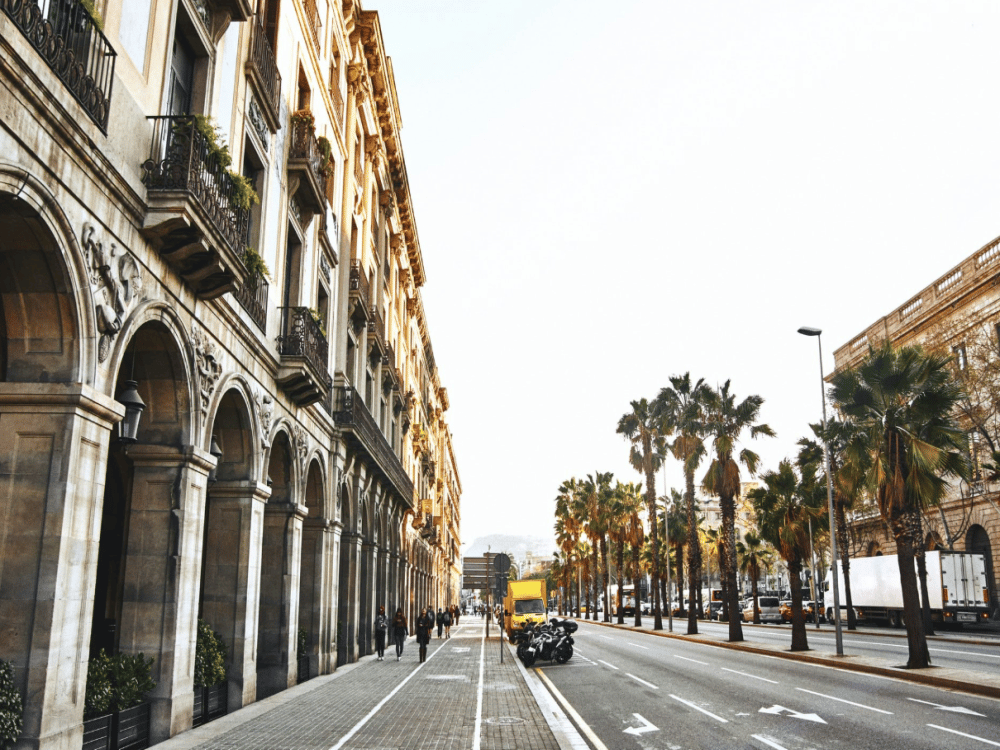
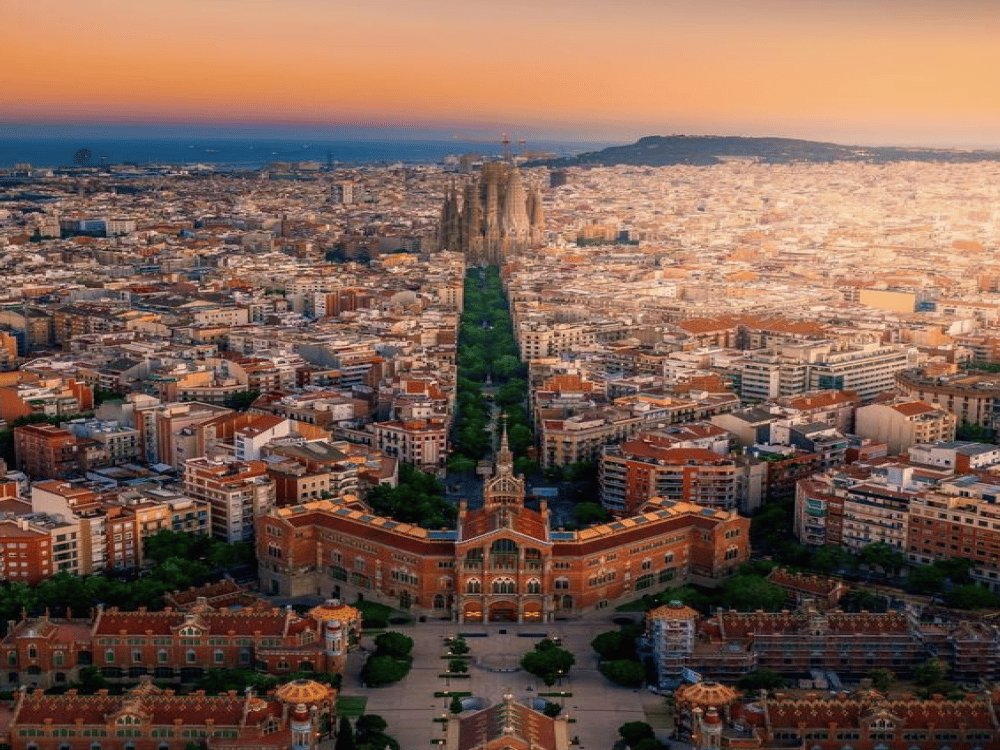
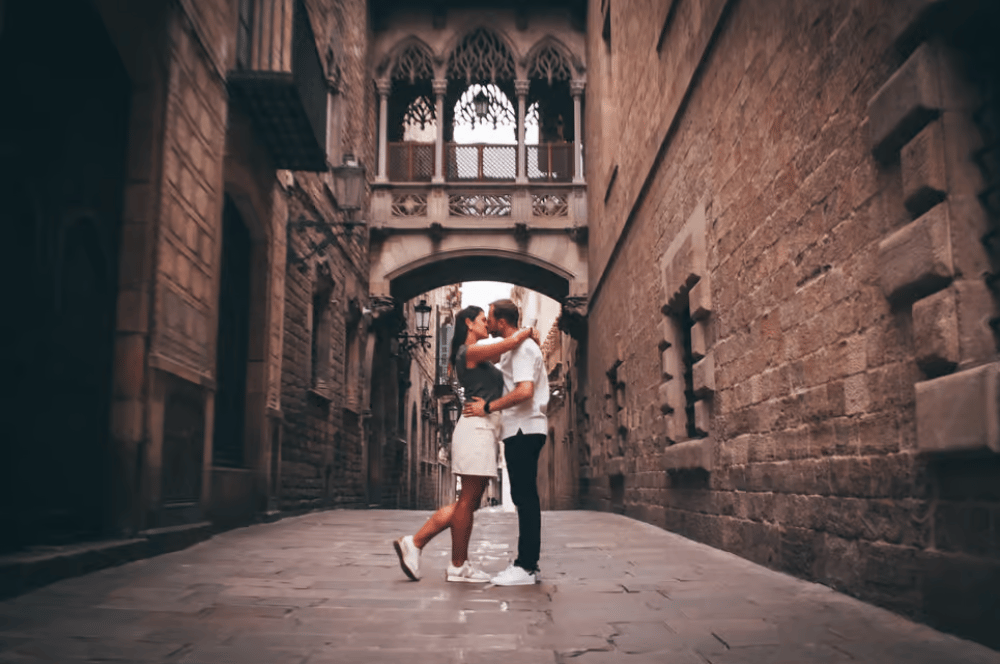
One of the main reasons Barcelona is considered walkable is its urban layout. The city combines medieval neighborhoods with modern planning, creating a balance between charm and convenience. Areas like the Gothic Quarter and El Born were built long before cars existed, so their narrow streets and small squares are made for pedestrians. In contrast, the Eixample district follows a grid system with wide sidewalks, regular crossings, and plenty of space to walk comfortably.
Distances between major attractions are generally manageable. Many of Barcelona’s highlights are located close to each other, allowing visitors to walk from one landmark to another without feeling rushed or exhausted. Even when distances feel longer, the streets are lively, filled with cafés, shops, and architectural details that make the walk part of the experience.
Neighborhoods That Invite Exploration on Foot
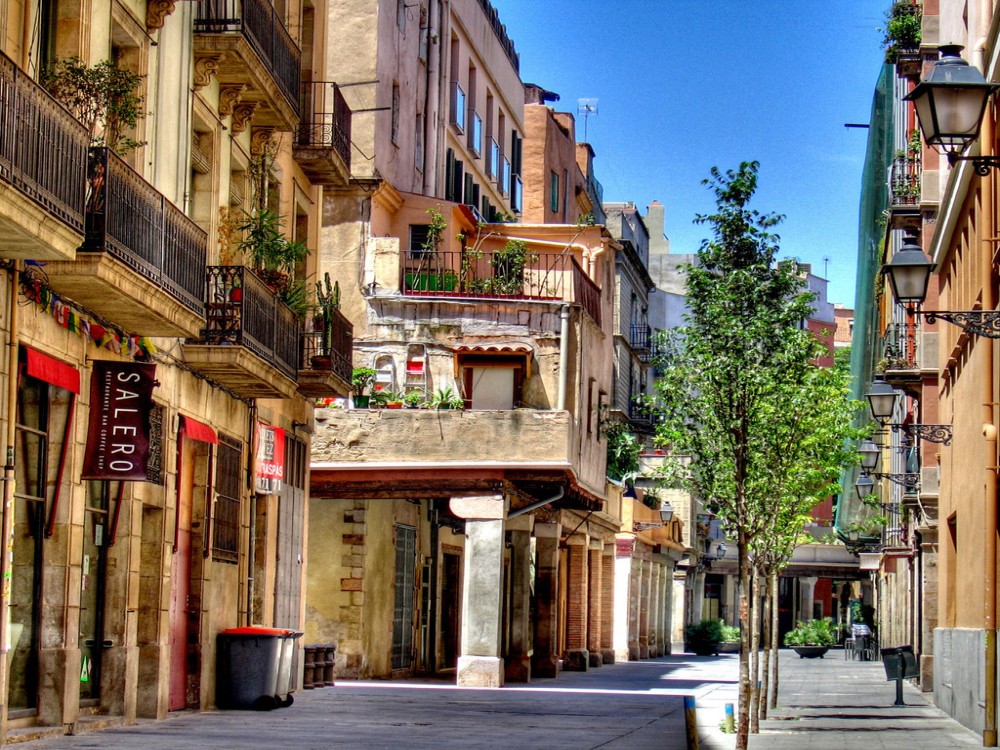
Barcelona’s neighborhoods each have their own personality, and walking is the best way to feel these differences. The Gothic Quarter offers a maze of historic streets where you can wander without a strict plan. El Born feels creative and local, with small boutiques and hidden bars around every corner. Gràcia, once a separate town, has a village-like atmosphere with pedestrian plazas that encourage slow walks and relaxed breaks.
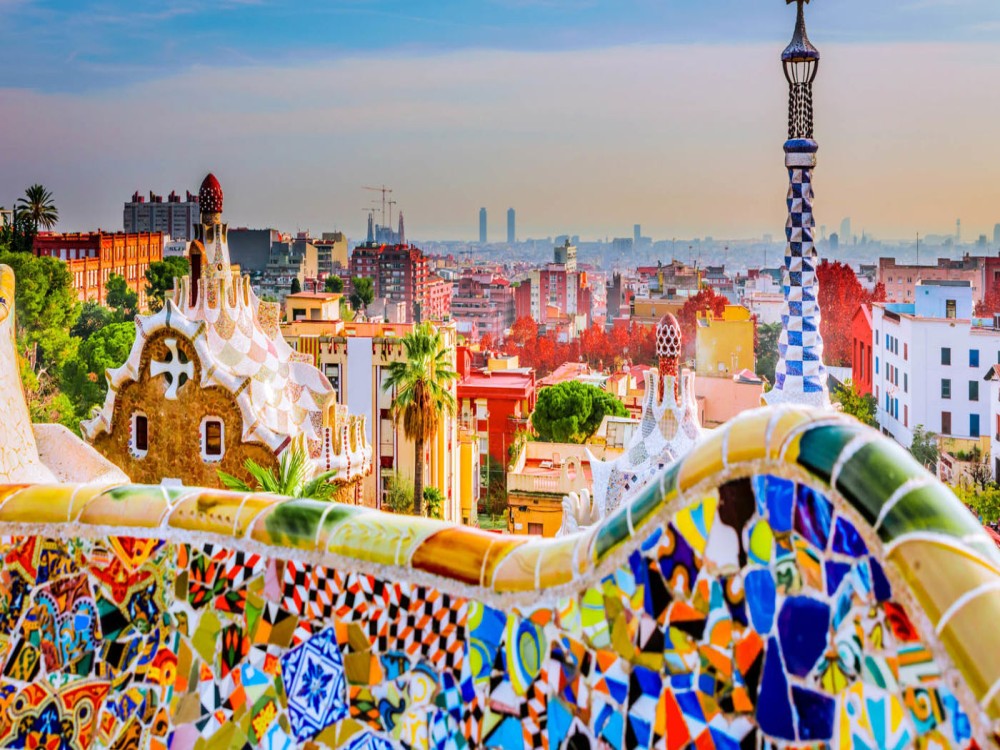
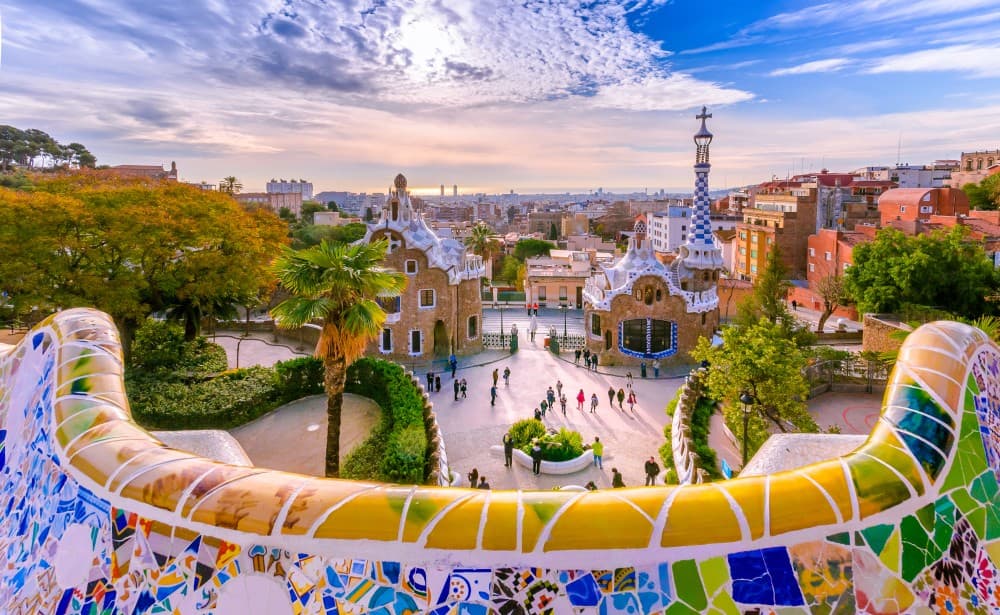
Eixample stands out for its practicality. Its wide avenues, consistent block sizes, and flat terrain make it especially easy to navigate on foot. Walking here feels organized and calm, even though it is one of the busiest parts of the city. Along the way, you will encounter some of Barcelona’s most famous modernist buildings, which naturally slow you down as you stop to admire them.
Pedestrian Infrastructure and Safety
Barcelona takes pedestrian comfort seriously. Sidewalks are generally wide and well maintained, crossings are clearly marked, and traffic signals are easy to follow. Many streets prioritize pedestrians or limit car access, especially in residential and historic areas. The city has also introduced “superblocks,” zones where traffic is restricted and public space is given back to people. These areas are ideal for walking, resting, and enjoying local life without constant traffic noise.
In terms of safety, walking in Barcelona is considered comfortable both during the day and in the evening. As with any major city, basic awareness is important, especially in crowded tourist areas where pickpocketing can occur. However, well-lit streets, active neighborhoods, and a strong street presence make walking feel secure for most visitors.
Weather and Comfort While Walking
Barcelona’s Mediterranean climate plays a big role in its walkability. For much of the year, temperatures are pleasant enough for long walks. Spring and autumn are particularly ideal, offering mild weather and comfortable conditions throughout the day. Summer can be hot, especially in July and August, but early mornings and evenings remain suitable for walking, and shaded streets help reduce discomfort.
The city’s flat terrain in most central areas also makes walking less physically demanding. While neighborhoods like Montjuïc or areas near Tibidabo involve hills, the majority of popular districts are easy to walk without feeling strained.
Walking to Major Attractions
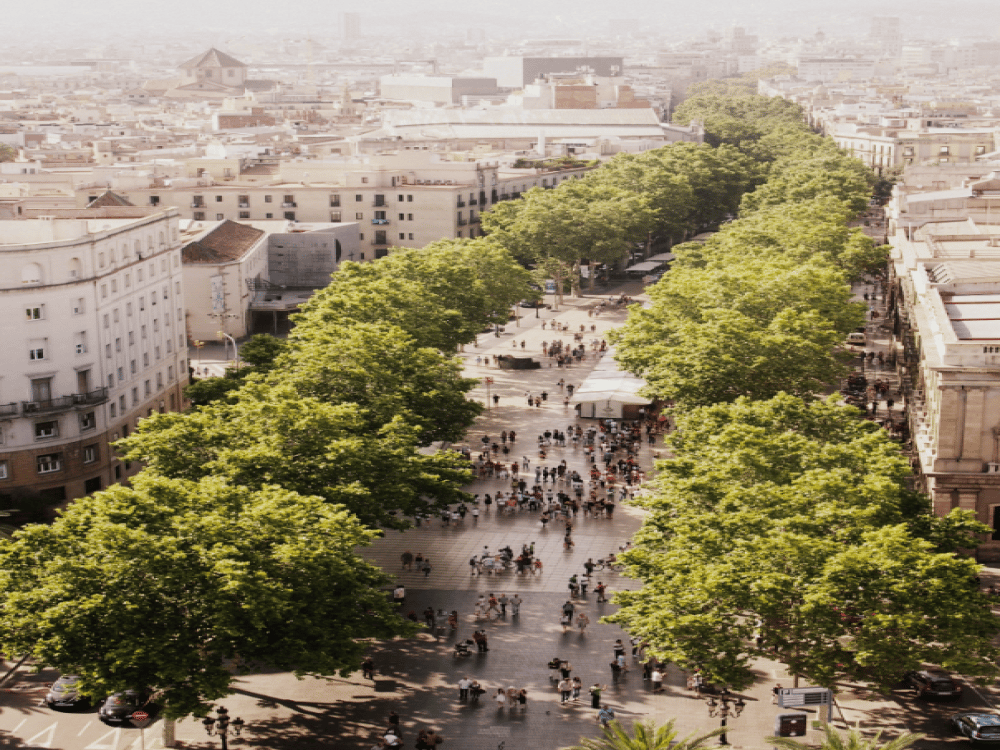
Many of Barcelona’s top attractions are within walking distance of each other. It is possible to walk from Plaça de Catalunya to the Gothic Quarter, El Born, and even down to the waterfront without needing transport. La Rambla, despite being busy, is a central walking route that connects several key areas. The beachfront promenade is another highlight, offering a long, flat path perfect for relaxed walks by the sea.
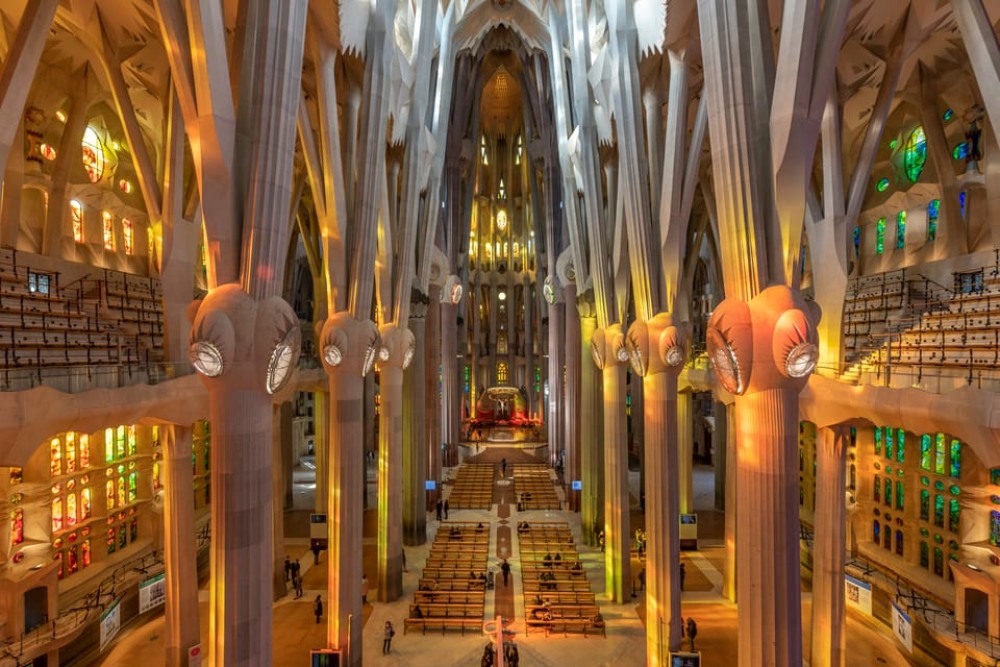
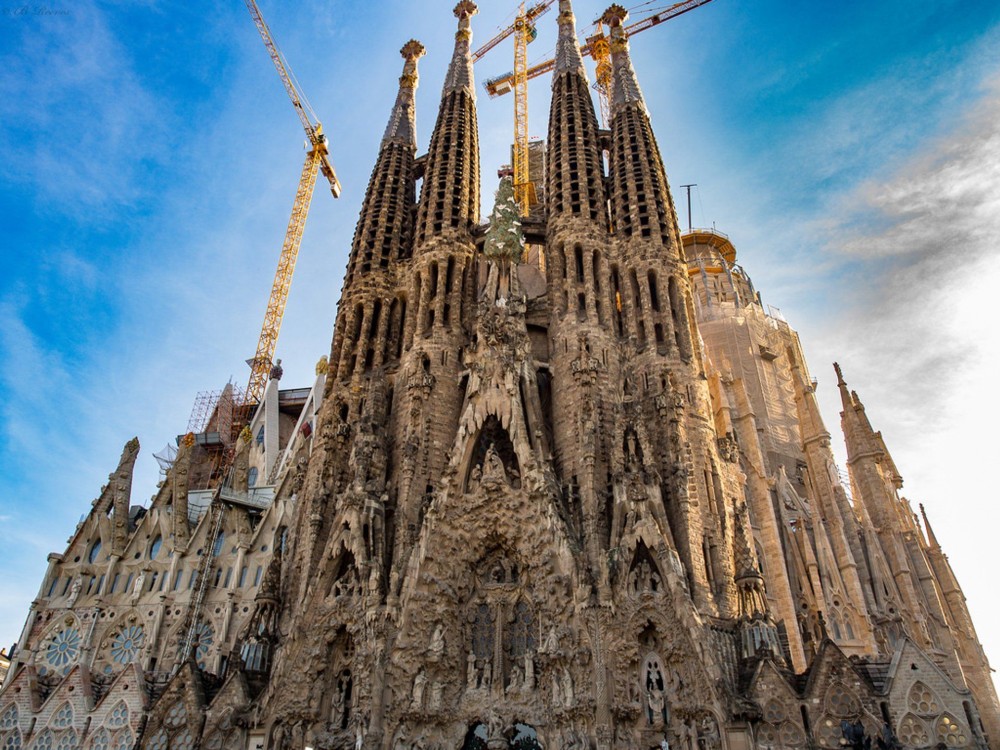
Even famous landmarks like Sagrada Família can be reached on foot if you enjoy longer walks through the city. Along the way, you experience daily local life, neighborhood cafés, and less touristy streets that you would otherwise miss.
Combining Walking with Public Transport
While Barcelona is very walkable, the city also offers excellent public transport that complements walking perfectly. Many visitors choose to walk within neighborhoods and use the metro or buses to move between more distant areas. This flexibility makes it easy to design days that are not overly tiring while still enjoying the city on foot.
Public transport stations are usually well connected to pedestrian areas, so transitions between walking and transport feel smooth and intuitive. This balance allows travelers of different fitness levels to enjoy Barcelona comfortably.
A Walking-Friendly City Experience
Overall, Barcelona is not just walkable but genuinely welcoming to pedestrians. The combination of thoughtful urban design, lively neighborhoods, pleasant weather, and strong infrastructure makes walking one of the best ways to experience the city. Walking allows you to notice small details, interact with local life, and move at a pace that feels natural.
For travelers who enjoy exploring cities on foot, Barcelona stands out as a destination where walking is both practical and rewarding. Whether you are wandering historic streets, strolling along the sea, or moving between famous landmarks, Barcelona proves that it is a city made to be discovered step by step.