Istanbul, the largest city in Turkey and one of the world’s most historically significant crossroads between Europe and Asia, is served by two major commercial airports. These are Istanbul Airport (IST) and Sabiha Gökçen International Airport (SAW). Together, they handle tens of millions of passengers each year and play a crucial role in connecting Turkey with the rest of the world. Because Istanbul is such a large metropolitan area—with over 15 million residents—and a major tourism and business hub, having two airports helps distribute the heavy passenger traffic and provides convenient access to different parts of the city.
Istanbul Airport (IST)
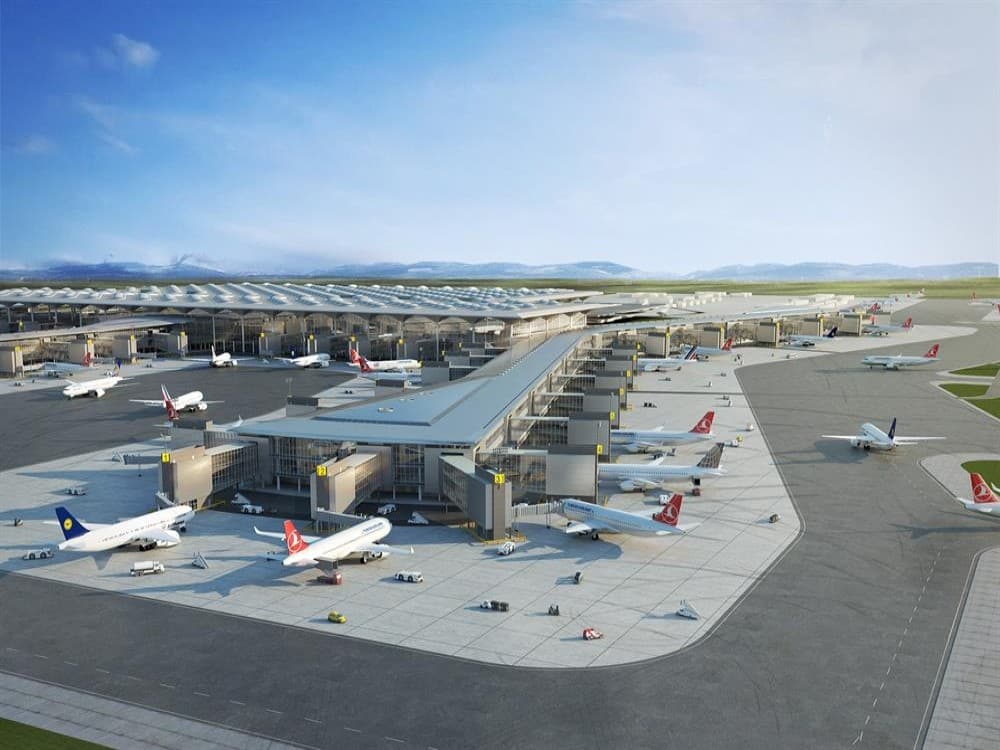
Istanbul Airport (IST) is the primary and largest airport serving the city. Located on the European side of Istanbul, near the Black Sea coast in the Arnavutköy district, it officially opened in 2018 and became fully operational in 2019 when most commercial flights were transferred there from the old Atatürk Airport.
Istanbul Airport is considered one of the largest and most modern airports in the world. It was designed to handle enormous passenger capacity, eventually planned to serve up to 200 million passengers per year when all development phases are complete. Even in its current state, it already ranks among the busiest airports globally.
One of the most notable features of Istanbul Airport is its massive terminal building, which is one of the largest airport terminals under a single roof. The airport was designed with advanced technology, efficient passenger flow systems, and modern architecture that reflects Turkish cultural elements.
The airport serves as the main hub for Turkish Airlines, the national flag carrier of Turkey. Turkish Airlines operates flights from Istanbul Airport to hundreds of destinations across Europe, Asia, Africa, North America, and South America, making it one of the airlines with the most international destinations in the world. This makes Istanbul Airport a major global transit hub, especially for passengers traveling between continents.
In addition to Turkish Airlines, many international airlines also operate flights from Istanbul Airport, including airlines from Europe, the Middle East, Asia, and the Americas. The airport offers extensive facilities such as duty-free shopping areas, luxury lounges, restaurants, hotels, and efficient transportation connections to the city center.
Transportation options from Istanbul Airport include airport buses (Havaist), taxis, private transfers, and the Istanbul Metro system, which now connects the airport with various parts of the city. Because it is located somewhat far from the historic center, travel time can vary from 35 minutes to over an hour, depending on traffic and the chosen transportation method.
Overall, Istanbul Airport plays a crucial role in positioning Istanbul as a global aviation hub, linking continents and facilitating both tourism and international trade.
Sabiha Gökçen International Airport (SAW)
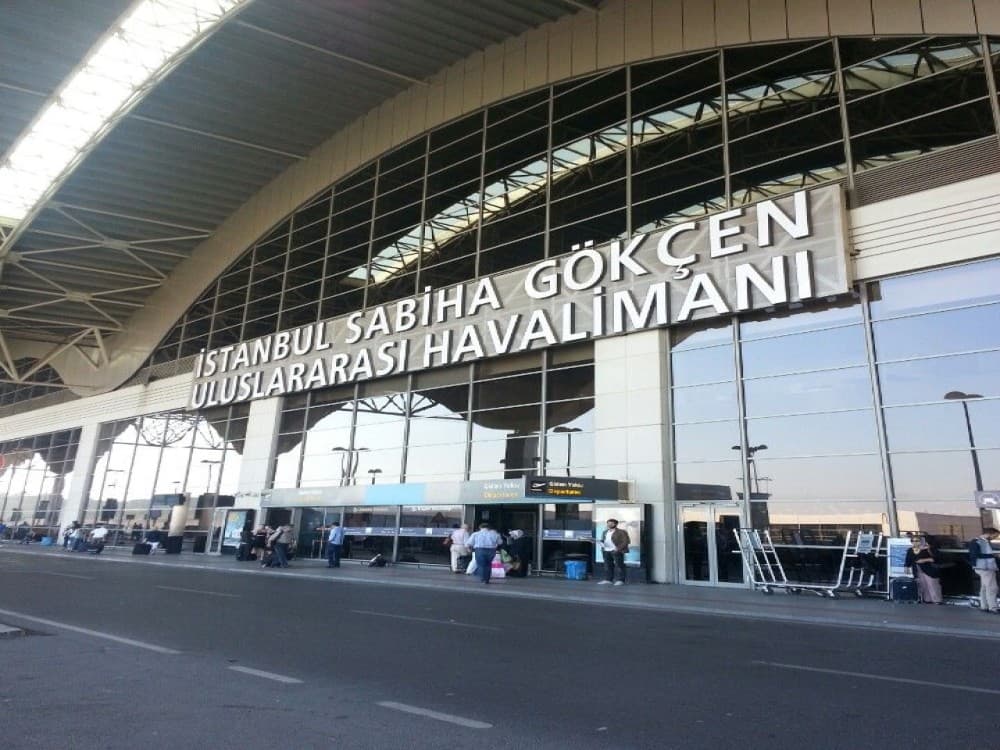
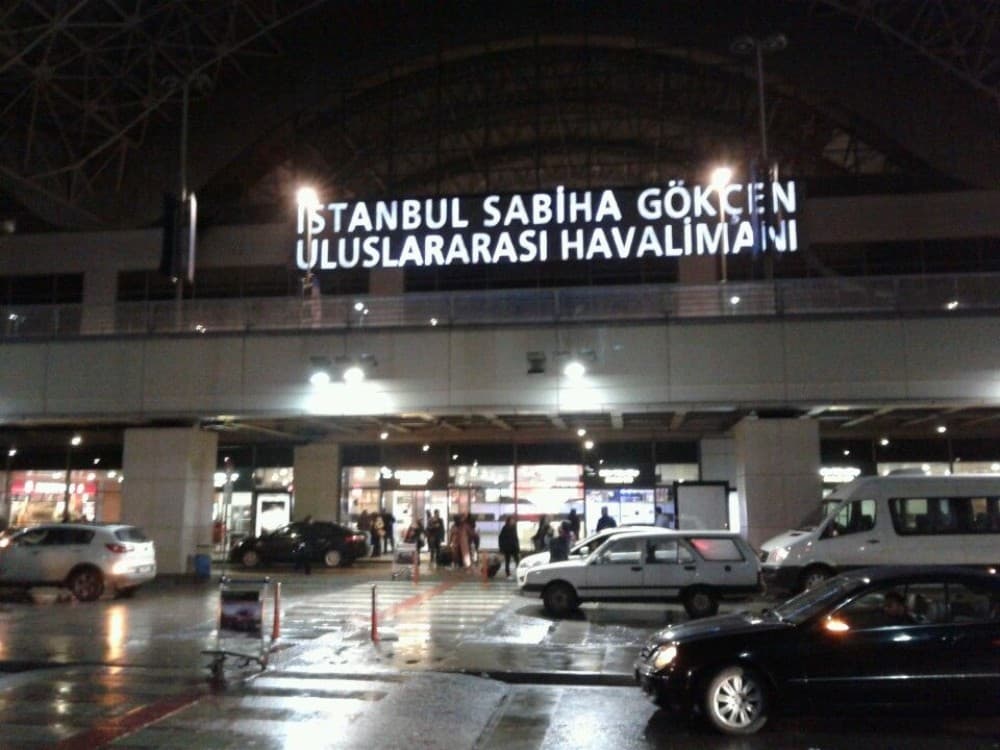
The second airport serving Istanbul is Sabiha Gökçen International Airport (SAW), located on the Asian side of the city in the Pendik district. It opened in 2001 and was named after Sabiha Gökçen, the world’s first female fighter pilot and the adopted daughter of Mustafa Kemal Atatürk, the founder of modern Turkey.
Sabiha Gökçen Airport was initially built to relieve congestion at the former Atatürk Airport, but over time it developed into a very busy airport in its own right. Today, it handles tens of millions of passengers annually, making it one of the busiest airports in Turkey.
Unlike Istanbul Airport, which is dominated by Turkish Airlines, Sabiha Gökçen is known for being a major hub for low-cost carriers, especially Pegasus Airlines, one of Turkey’s largest budget airlines. Pegasus operates a large network of domestic and international flights from this airport, making it a popular choice for travelers seeking affordable travel options.
The airport also hosts flights from other airlines, including both regional and international carriers. Many routes from Sabiha Gökçen connect Istanbul to destinations across Europe, the Middle East, Central Asia, and North Africa, as well as numerous domestic destinations within Turkey.
Sabiha Gökçen Airport has expanded significantly over the years. It features a modern passenger terminal, shopping areas, restaurants, lounges, and efficient check-in systems. To accommodate increasing passenger demand, a second runway was constructed to improve operational capacity and reduce delays.
Transportation to and from Sabiha Gökçen Airport includes airport buses (Havabus), taxis, ride-sharing services, and metro connections. Because it is on the Asian side, it is particularly convenient for residents and visitors staying in districts such as Kadıköy, Üsküdar, and other eastern parts of Istanbul. However, passengers traveling from the European side may need to cross the Bosphorus via bridge, metro, or ferry, which can increase travel time.
The Role of Two Airports in Istanbul
Having two major airports is essential for a city as large and globally connected as Istanbul. The city spans two continents, Europe and Asia, separated by the Bosphorus Strait. Because of this unique geography, airports on both sides of the city help distribute air traffic and provide easier access for residents and travelers.
Istanbul Airport mainly handles long-haul international flights and serves as a global transit hub, while Sabiha Gökçen Airport often focuses on low-cost carriers and regional routes. Together, they form a complementary system that supports Istanbul’s role as a major center for tourism, commerce, and international travel.
In summary, Istanbul currently has two main operational commercial airports: Istanbul Airport (IST) on the European side and Sabiha Gökçen International Airport (SAW) on the Asian side. Both airports are vital to the city’s transportation infrastructure and help connect Istanbul to hundreds of destinations around the world.