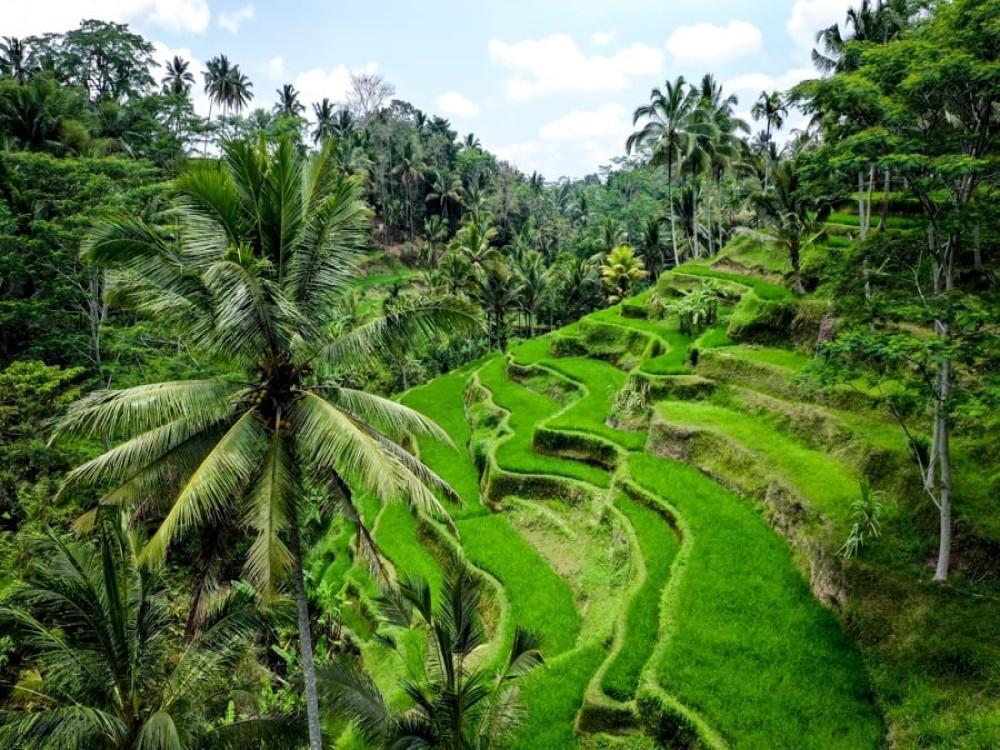
Bali is one of Southeast Asia’s most popular destinations, known for its tropical beauty, warm people, and deeply rooted Hindu traditions. While the island welcomes visitors from all over the world, it also values respect for its culture, environment, and community life. Knowing the basic do’s and don’ts can help you enjoy the island more fully and avoid common mistakes many travelers make. Here is a simple, easy-to-read guide that will help you navigate Bali like a thoughtful and informed visitor.
Respecting Local Culture
Culture is at the heart of everyday life in Bali, and most traditions are tied to the island’s Hindu heritage. When visiting temples, wearing appropriate clothing is a sign of respect. Covering your shoulders and knees is important, and many temples provide sarongs and sashes at the entrance. Moving calmly, avoiding loud conversations, and keeping a respectful distance from rituals will help you avoid disrespecting worshippers.
Every morning you will see small daily offerings placed on sidewalks, in front of shops, and at entrances of homes. These are called canang sari and are an important part of Balinese spirituality. Paying attention not to step on them—especially early in the day—shows care and gratitude for the culture around you.
Communicating with Locals
Although English is widely spoken, learning a few simple phrases in Indonesian such as “thank you” or “excuse me” can make interactions more meaningful. Locals appreciate small efforts, and using a few polite words helps establish a friendly atmosphere wherever you go. Balinese people are known for their kindness, and showing that you value their language encourages even warmer hospitality.
Supporting Local Communities
Many businesses in Bali are family-owned, from small cafés to craft shops. Choosing to shop at local markets or eat at traditional warungs not only gives you a more authentic experience but also directly supports the people who live on the island. Bargaining is common in markets, but keeping it friendly and respectful makes the process enjoyable for both sides.
Staying Safe in Nature
Bali’s tropical climate can be intense for travelers. Staying hydrated, using sunscreen, and taking breaks from the sun are all important for a comfortable trip. The beaches are beautiful, but not all of them are ideal for swimming. Some areas have strong currents, so paying attention to flags and choosing lifeguard-patrolled beaches is always a safer option.
Being Mindful of Etiquette
Bodily gestures carry cultural meaning in Bali. Feet are considered the lowest and least respectful part of the body, so pointing them at people, shrines, or sacred objects may appear rude. The head is seen as spiritually significant, and touching someone’s head—even a child’s—should be avoided.
Stray animals, especially monkeys near temples or forests, may seem friendly but can act unpredictably. It’s best not to feed or touch them, both for your safety and for the well-being of the animals.
Caring for the Environment
Bali’s natural beauty is one of its greatest treasures, and protecting it is everyone’s responsibility. Properly disposing of waste, avoiding plastic when possible, and being gentle with marine life while snorkeling help keep the island clean and healthy. Even small actions contribute to preserving Bali for future visitors.
Final Thoughts
Bali offers a mix of culture, adventure, and peace that few places can match. By showing respect for traditions, caring for the environment, and being mindful of your actions, you can enjoy the island in a meaningful and responsible way. Understanding these simple do’s and don’ts will enrich your trip and help you connect more deeply with the spirit of Bali.