Saudi Arabia: Stops On A Medina Tour
(0.0/5)
(0 Bewertungen)
Day Trips
Guided Tours
€250.00
/ Person


Medina is one of the most important cities in the Islamic world. Known as Al-Madinah Al-Munawwarah, it holds deep religious, historical, and cultural significance for Muslims worldwide. Because of its sacred status, many travelers often ask an important and practical question: Can non-Muslims go to Medina? The answer is nuanced and depends on where in the city you are referring to. Understanding these rules helps travelers respect local laws while gaining a clearer picture of Medina’s role in Saudi Arabia.
Why Medina Is a Sacred City
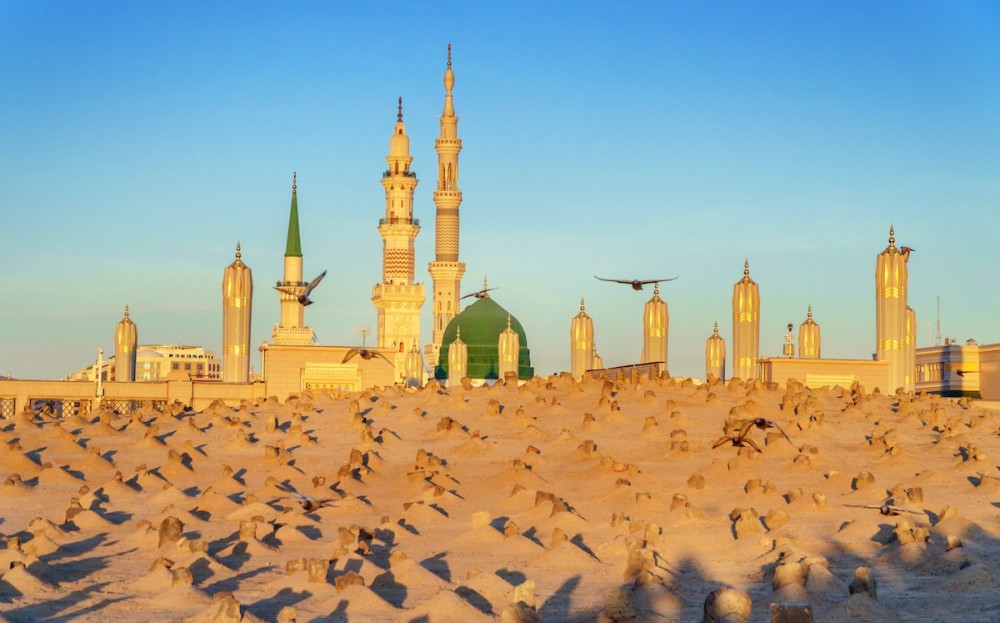
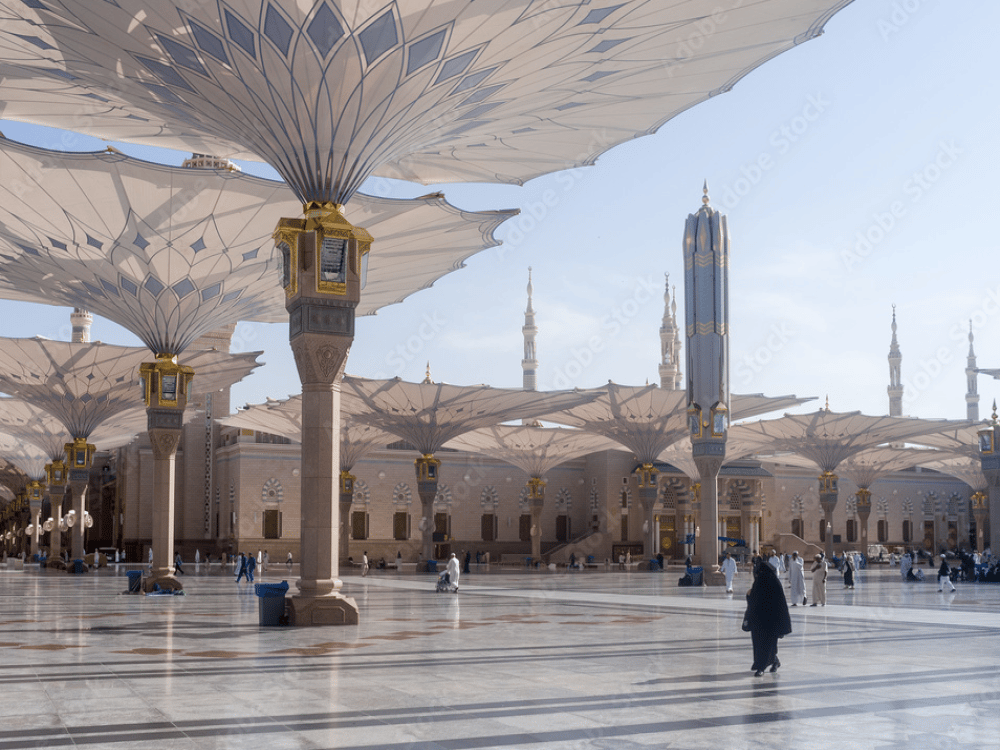
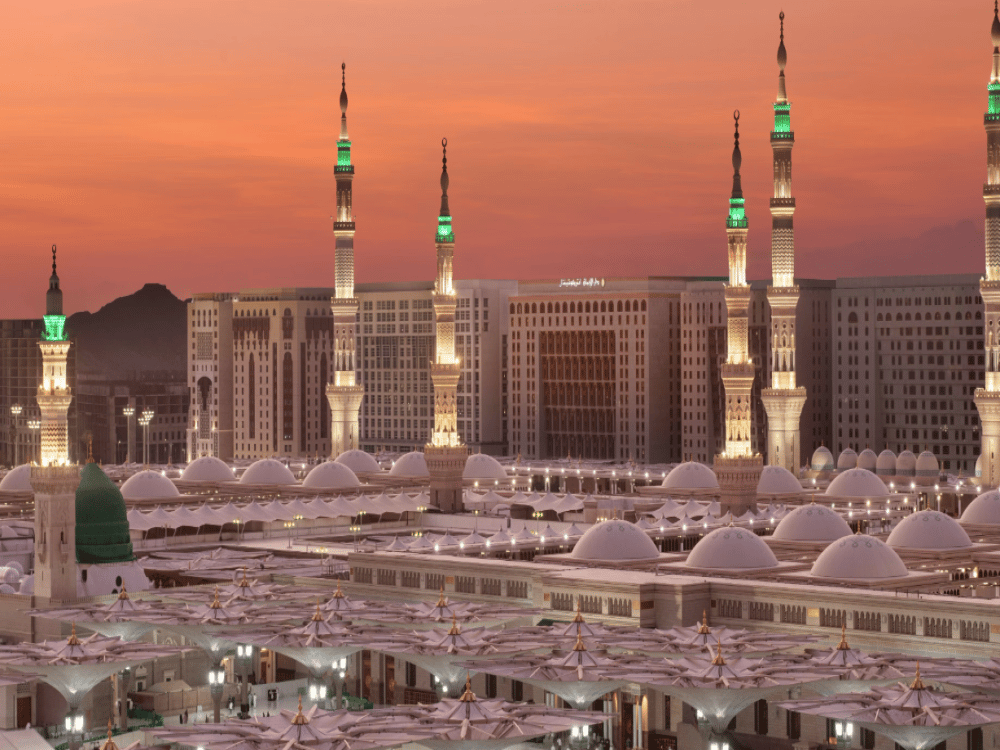
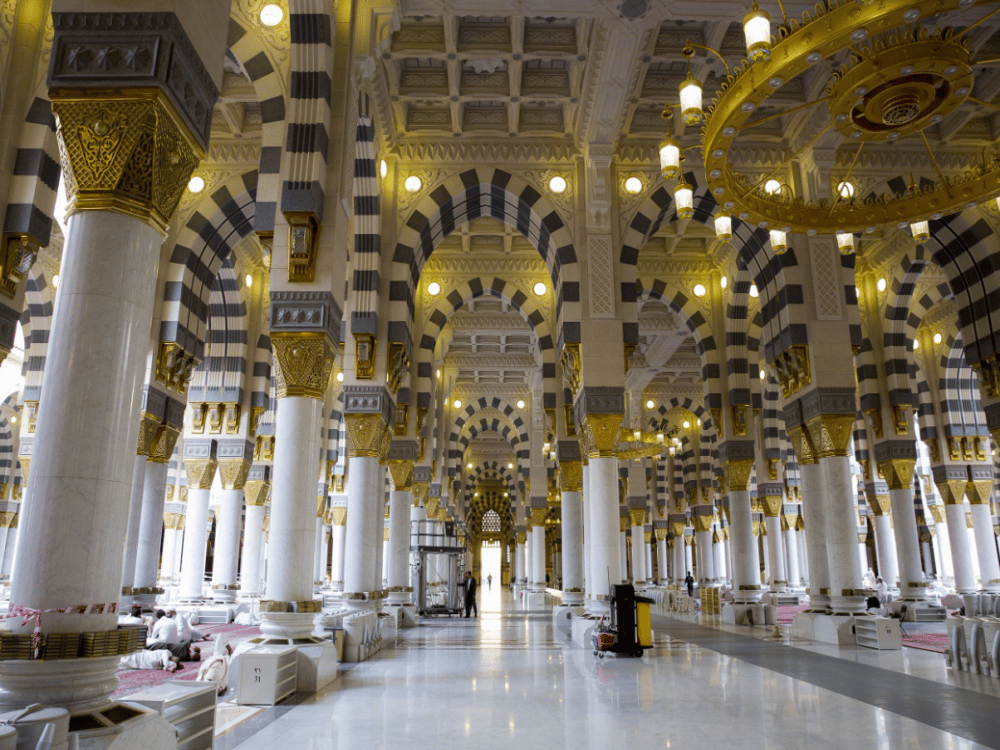
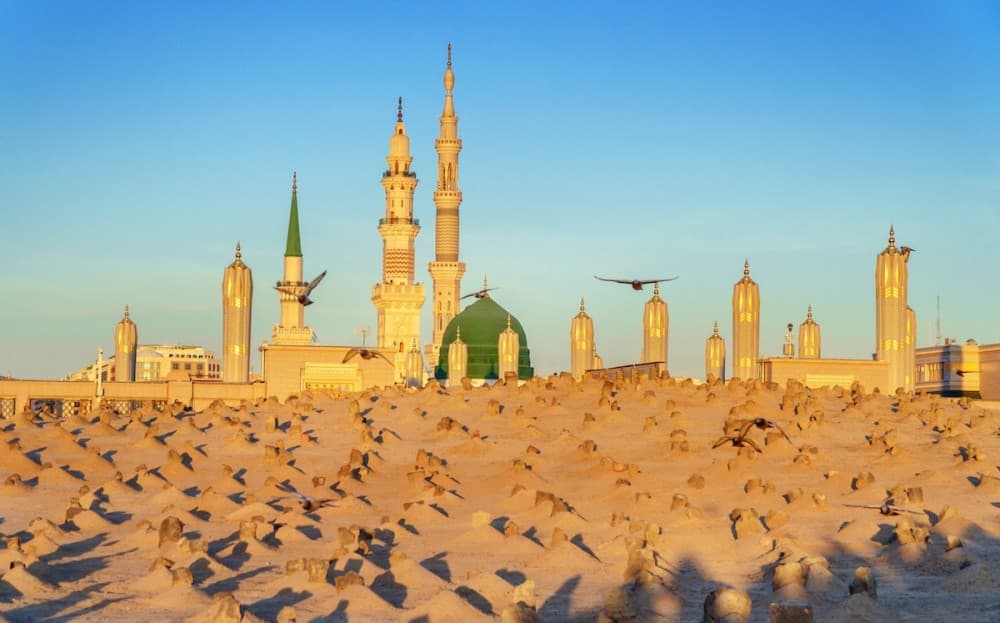
Medina is the second holiest city in Islam after Mecca. It is where the Prophet Muhammad migrated from Mecca in 622 CE, an event known as the Hijra, which marks the beginning of the Islamic calendar. The city is also home to Al-Masjid an-Nabawi, the Prophet’s Mosque, which contains the Prophet Muhammad’s tomb. Because of this deep religious importance, Medina holds a special spiritual status that influences access rules for visitors.
Are Non-Muslims Allowed to Enter Medina?
Non-Muslims are not permitted to enter the central sacred area of Medina, known as the Haram boundary. This includes Al-Masjid an-Nabawi and the immediate surrounding zones. Saudi authorities strictly enforce this rule, and checkpoints are clearly marked on major roads leading into the restricted area. Entry beyond these points is reserved exclusively for Muslims.
However, this does not mean that non-Muslims are banned from the entire city in a broader sense. In practice, non-Muslims may pass near Medina on highways or stay in areas outside the Haram boundary, particularly for work-related, logistical, or transit purposes. Still, tourism access for non-Muslims inside Medina remains extremely limited.
How the Restrictions Are Enforced
The restrictions are enforced through road signs, checkpoints, and digital systems linked to visas and identification. Signs clearly indicate routes designated for Muslims only, especially on highways approaching Medina. Attempting to enter restricted zones without authorization can result in fines, being turned back, or legal consequences. These rules are taken seriously and are part of Saudi Arabia’s religious and legal framework.
Can Non-Muslims Visit Religious or Historical Sites?
Within the restricted Haram area, non-Muslims are not allowed to visit mosques, religious landmarks, or historical sites associated with the Prophet. Most of Medina’s key attractions fall within this zone, which means traditional sightseeing is not possible for non-Muslim tourists.
Unlike some other cities in Saudi Arabia, Medina does not currently offer officially designated visitor areas or guided cultural experiences for non-Muslims within the city center. This is different from Mecca, where infrastructure clearly diverts non-Muslims away from the holy areas but allows limited proximity.
Why the Rules Exist
The access rules are based on Islamic tradition and religious law, which reserve Medina’s sacred spaces for Muslims. For believers, Medina is not just a historical city but a living place of worship and pilgrimage. Limiting access helps preserve the spiritual atmosphere and religious focus of the city. Saudi Arabia considers this an essential part of protecting Islamic heritage.
How This Affects Travelers to Saudi Arabia
Saudi Arabia has become increasingly open to international tourism, introducing tourist visas and promoting destinations such as Riyadh, Jeddah, AlUla, and the Red Sea coast. Non-Muslim travelers have many options to explore Saudi culture, history, and natural beauty without visiting Medina.
For travelers planning routes within the Kingdom, it is important to be aware of Medina’s restrictions to avoid confusion or unintentional violations. Transportation apps, road signs, and local authorities usually make these boundaries very clear.
Cultural Respect and Travel Awareness
Even though non-Muslims cannot freely visit Medina, understanding its significance is still valuable for anyone interested in Middle Eastern history or Islamic culture. Respecting local customs and religious rules is an essential part of responsible travel. Saudi Arabia places great emphasis on hospitality, but it also expects visitors to honor its traditions and laws.
Final Thoughts
So, can non-Muslims go to Medina? In short, non-Muslims are not allowed to enter Medina’s sacred central areas, including the Prophet’s Mosque and the Haram zone. Access to the wider region may be possible for transit or work, but Medina is not currently a tourist destination for non-Muslim visitors in the traditional sense.
For those traveling to Saudi Arabia, this limitation is balanced by the country’s growing number of open, welcoming destinations elsewhere. With proper planning and cultural awareness, travelers can still enjoy a rich and meaningful experience while respecting the unique spiritual role that Medina holds in the Islamic world.
Day Trips
Guided Tours