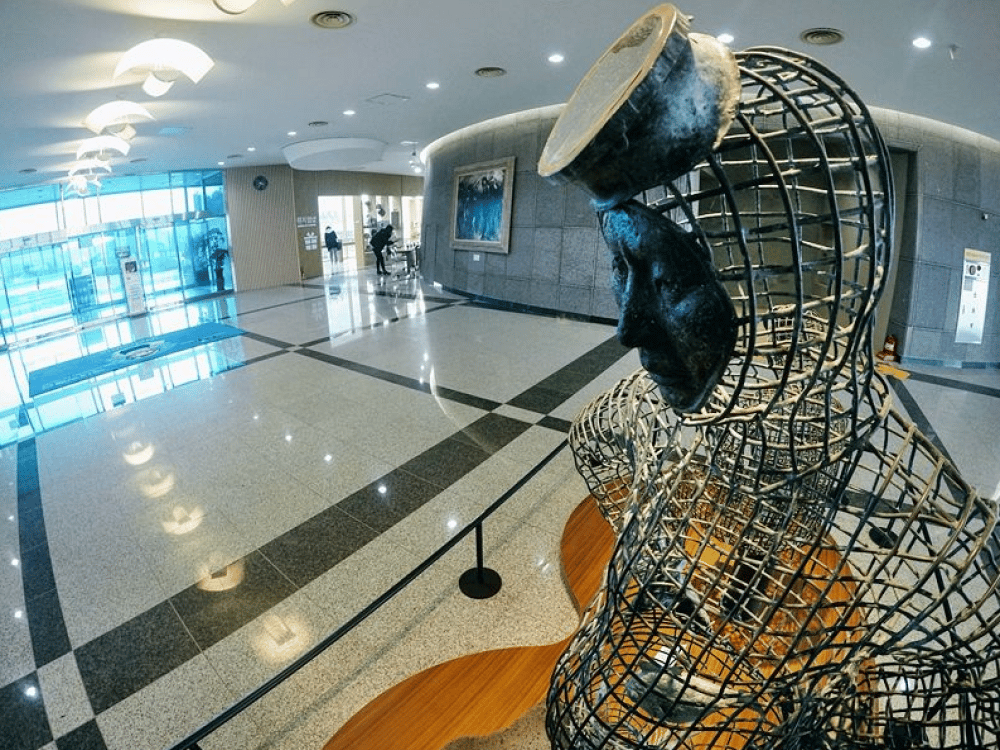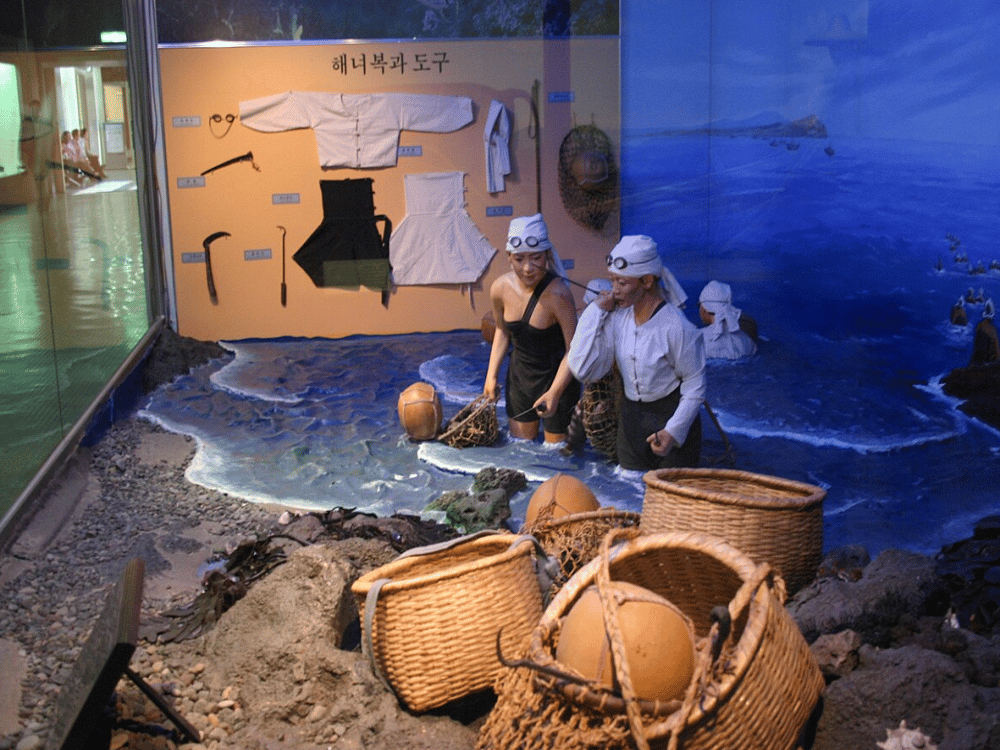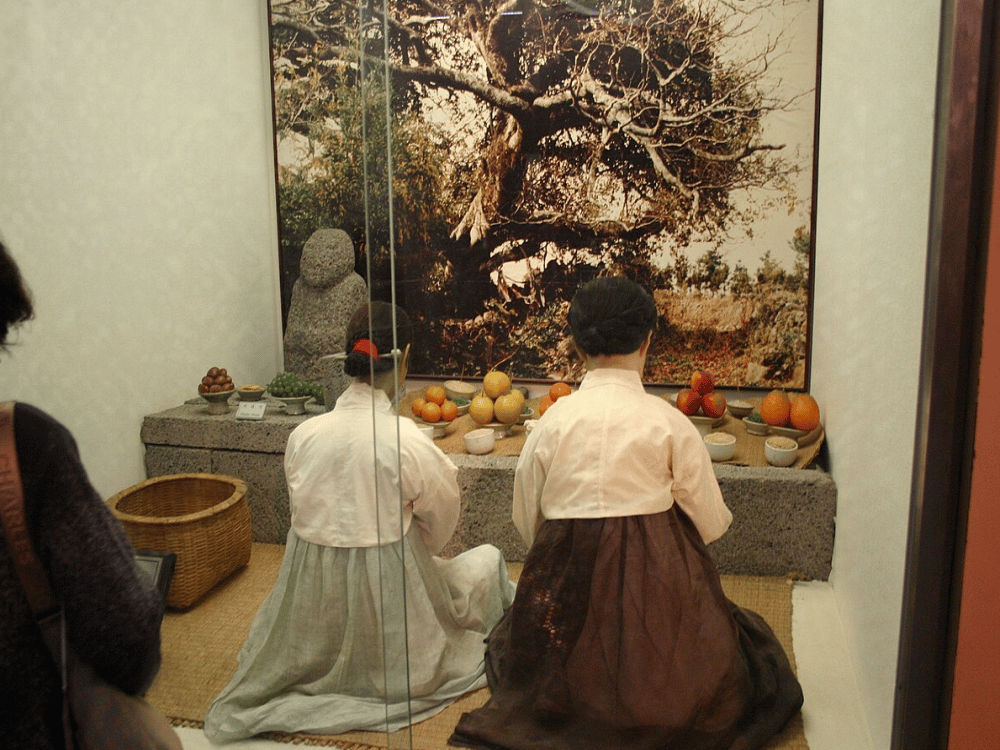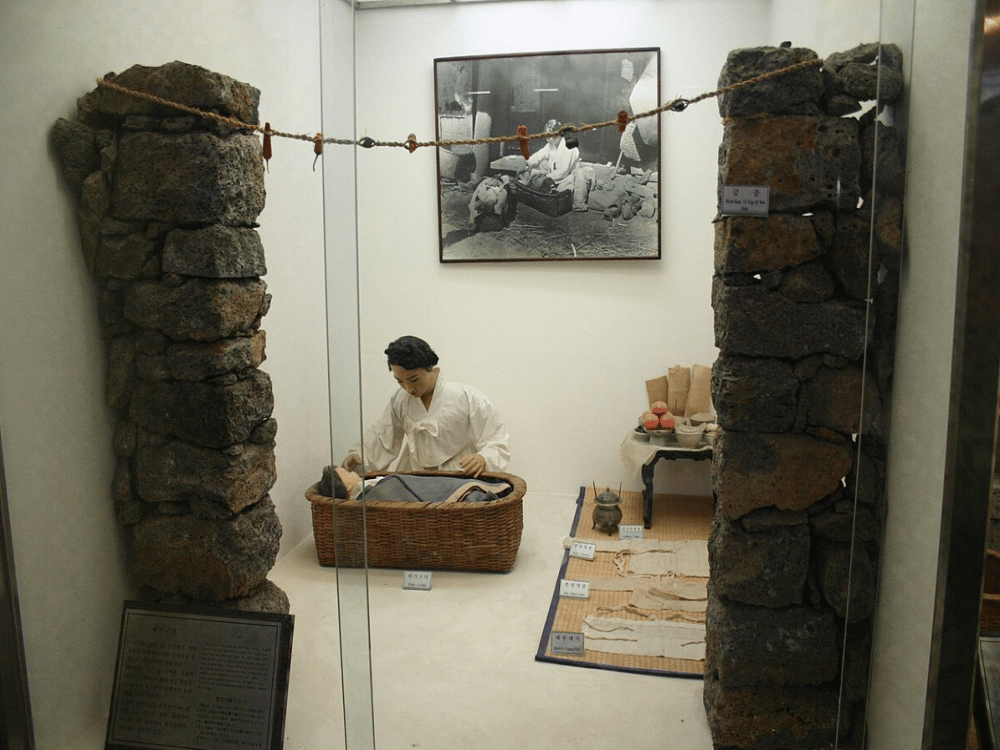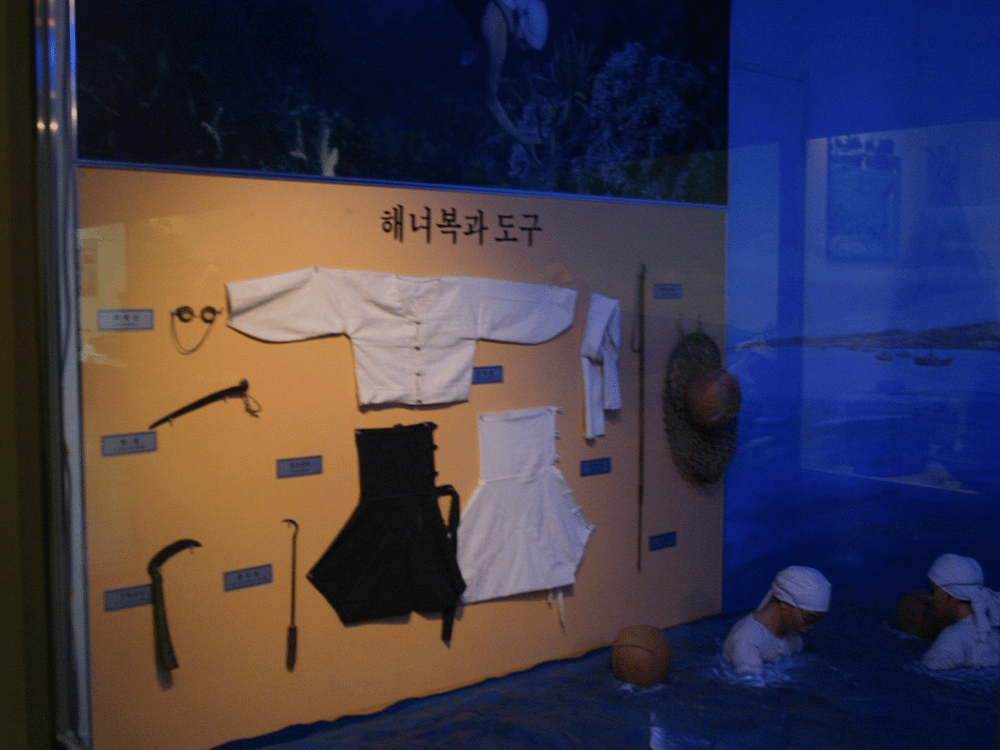
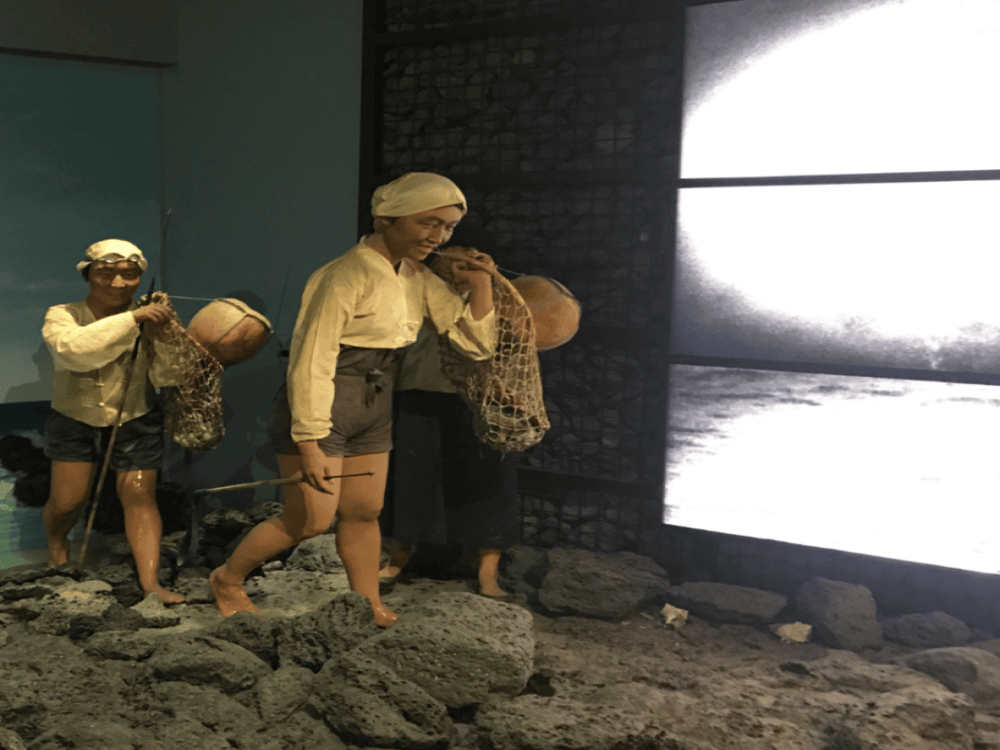
The Haenyeo Museum on Jeju Island offers a beautiful cultural window into the lives of the haenyeo, the legendary women divers of Jeju. These remarkable women have been diving without oxygen equipment for generations to harvest shellfish, abalone, seaweed, and other marine life, sustaining their families and community. Recognized by UNESCO as part of the Intangible Cultural Heritage of Humanity, the haenyeo tradition reflects resilience, community bonds, deep respect for the sea, and sustainable living. At the museum, you’ll walk through thoughtfully curated exhibits that showcase authentic diving gear, historical photographs, traditional costumes, and multimedia displays that bring their experiences to life. The exhibition spaces blend storytelling with education, making it compelling for travelers who want to discover the heart of Jeju’s coastal culture and understand how these women shaped the island’s identity. Many visitors find the museum both inspiring and grounding, as it celebrates a powerful legacy that continues today.
Es gibt noch keine Touren in Haenyeo Museum.
The Haenyeo Museum is located in Gujwa‑eup, Jeju‑si, on the northern coast of Jeju Island, making it accessible from both Jeju City and the eastern parts of the island. The museum usually opens in the morning and continues through the early evening, with operating hours reflecting seasonal changes, and it closes on certain Korean holidays such as Lunar New Year and Chuseok. Entrance fees are modest, with adult tickets costing a small amount and discounts available for youth and families, making it a cost‑friendly cultural stop. The museum provides comfortable facilities including free parking for drivers, wheelchair‑accessible routes, and a small gift shop where you can take home souvenirs inspired by the haenyeo culture. Inside, English signage and contextual descriptions help international visitors connect with the themes, while the layout invites you to explore at your own pace.
Before visiting, it helps to know that the Haenyeo Museum is deeply rooted in living tradition, not just history. There are still active haenyeo communities on Jeju, and their way of life is treated with respect and reverence throughout the museum. If you plan to take photos, be mindful of exhibit labels and any local haenyeo demonstrations you might encounter outside, as both the museum and diving communities value respectful engagement. Some of the detailed exhibit panels may be in Korean, so having a translation app on your phone can enrich your experience and help you understand contextual stories more deeply. Most visitors spend between one and two hours inside, though curious travelers often linger longer to absorb the audiovisual presentations, personal narratives, and cultural insights. Consider pairing this visit with a trip to nearby coastal villages where you might glimpse haenyeo returning from their dives or enjoy fresh seafood that reflects their harvests.
Reaching the Haenyeo Museum from central Jeju locations is straightforward. If you are staying in Jeju City, a taxi ride can take under an hour and offers the most direct route, especially if you are pressed for time. Public buses also serve the area, with local routes connecting the Jeju Intercity Bus Terminal to stops near the museum. These buses are affordable and a good choice if you are comfortable navigating the schedule. Driving yourself is another great option — Jeju’s roads are easy to navigate, and there’s free parking available on site. If you have a rental car, you can combine the trip with other eastern Jeju attractions like Seongsan Ilchulbong or nearby beaches for a full day of exploration. Wherever you come from on the island, clear directional signs and local transport apps can help guide you to the museum without stress.
Haenyeo Museum welcomes visitors year‑round, but the experience can feel different depending on the season. Spring and autumn bring mild temperatures and gentle coastal breezes, making these seasons especially pleasant for combining museum time with outdoor sightseeing. Early mornings soon after opening are usually quieter, offering a more relaxed atmosphere to explore exhibits before larger tour groups arrive. If your interest includes seeing live haenyeo diving demonstrations along Jeju’s coast, plan your visit in the early afternoon when many local haenyeo return from the sea and community events are more likely to take place. Checking local schedules at the museum desk or tourism centers on Jeju can help you synchronize your visit with these cultural moments. Avoid public holidays when possible if you prefer a calmer experience, as local families and school groups often visit the museum during busy periods.