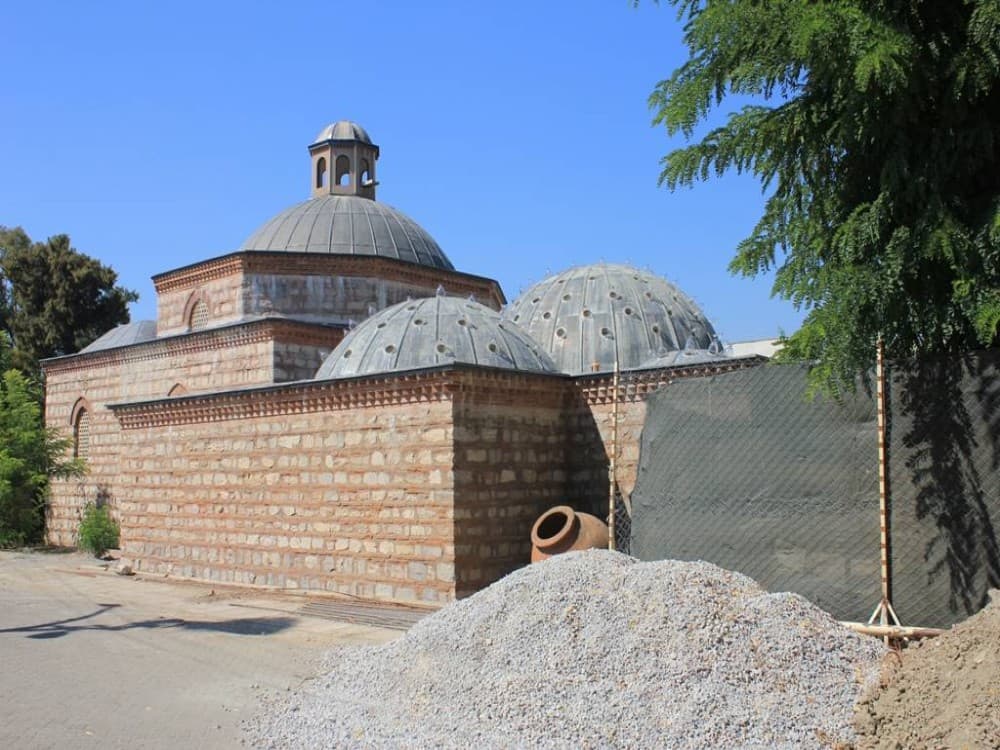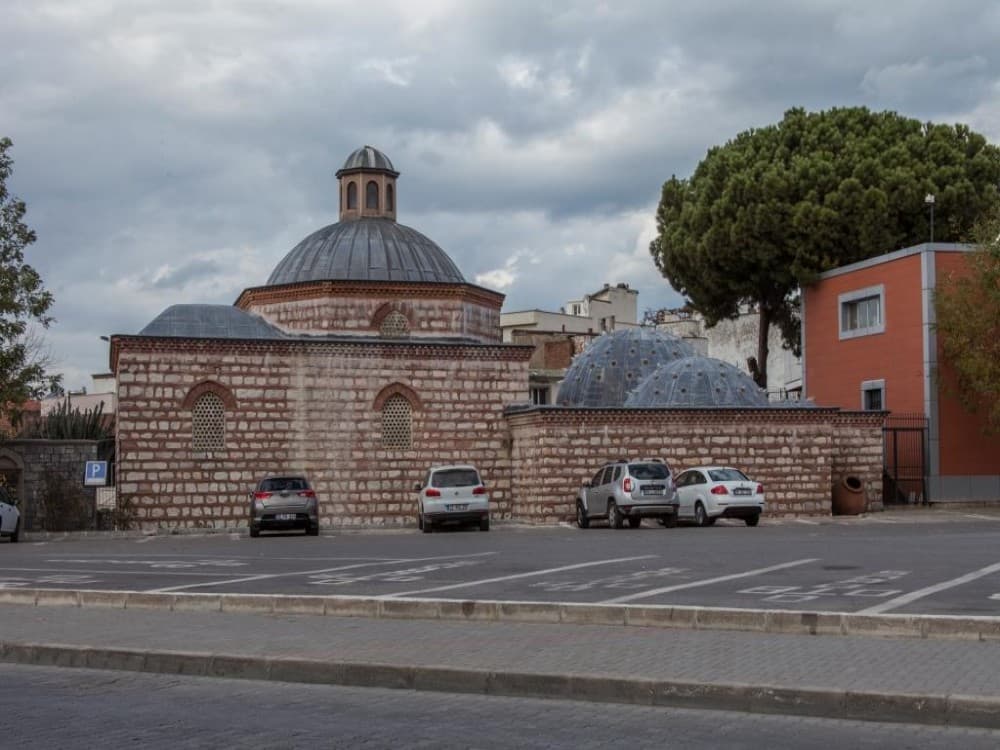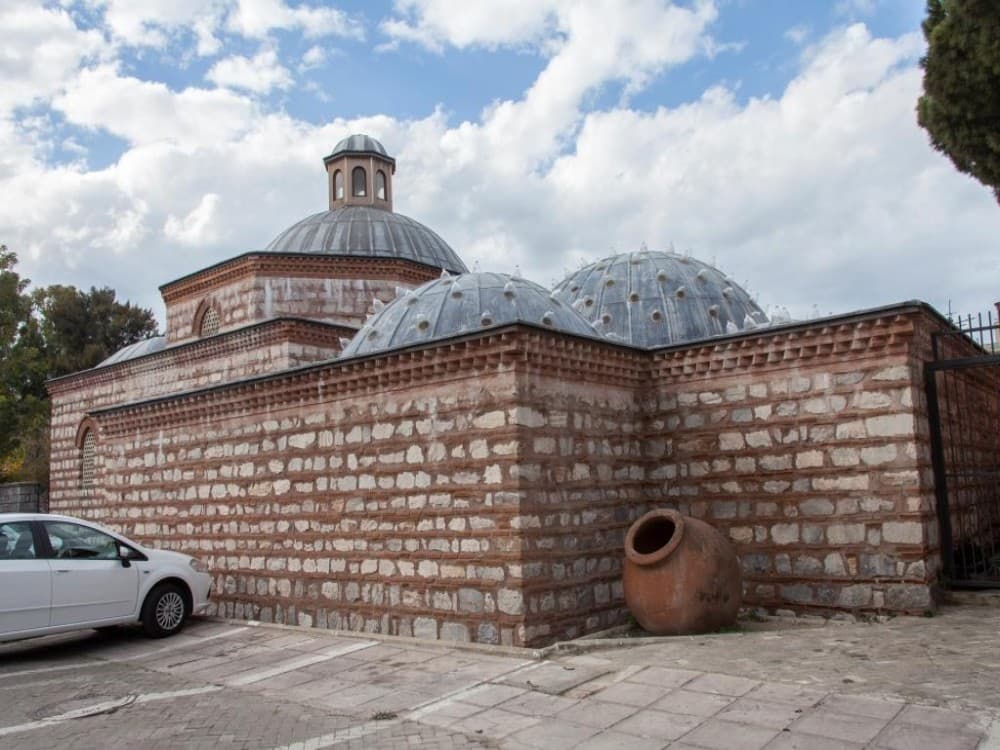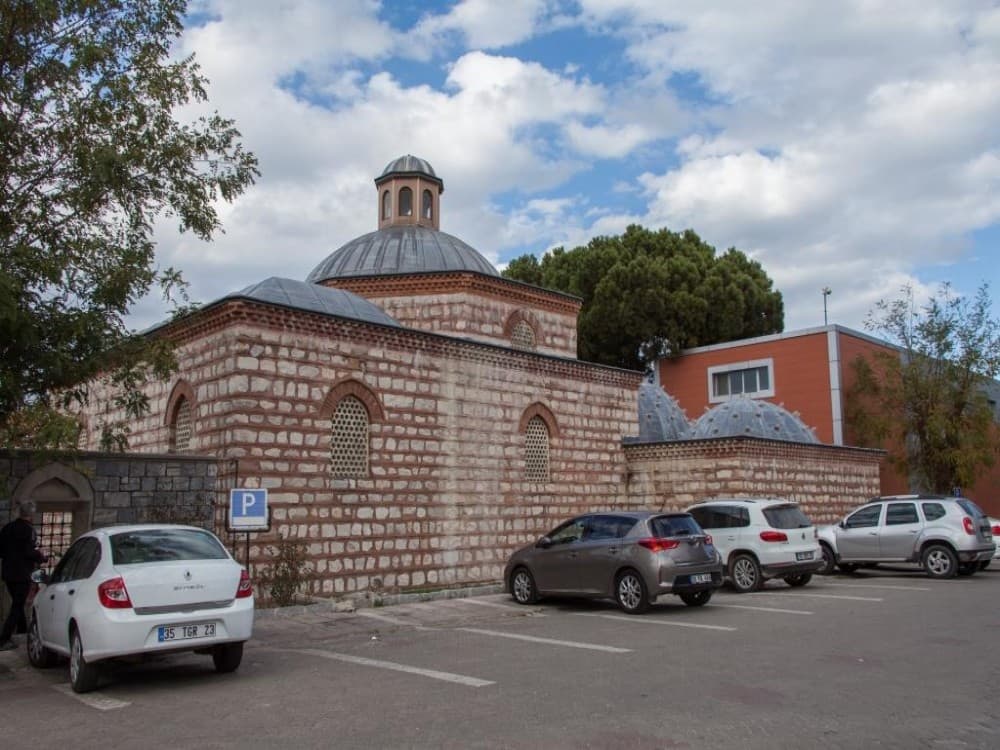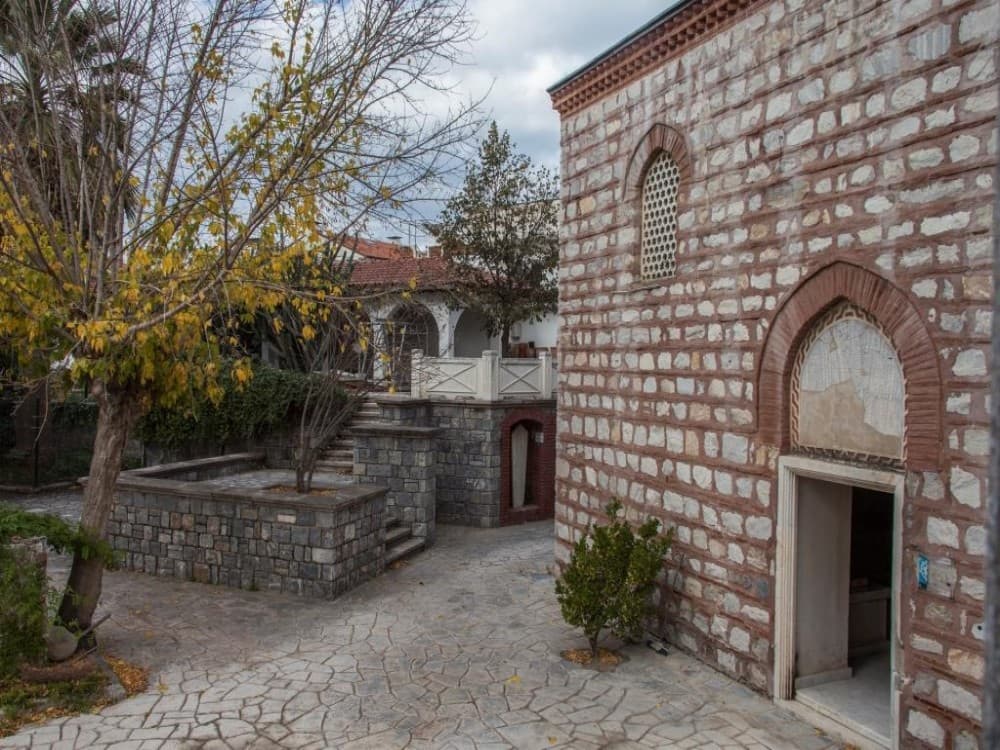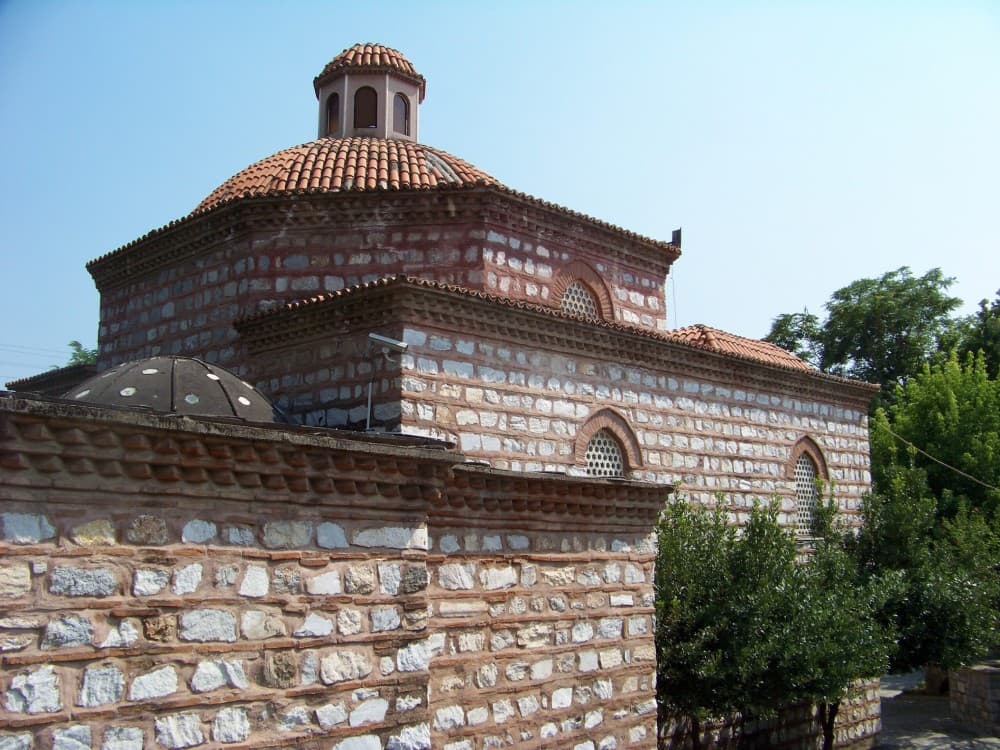
Saadet Hatun Hamam Museum is one of İzmir’s hidden historical treasures, located in the city’s ancient Kemeralti district. Originally built during the Ottoman era, this beautifully restored bathhouse once served as a social and cultural center for the community. Today, it has been transformed into a museum that showcases the traditional architecture, rituals, and customs of Turkish bath culture. Visitors can explore the original marble basins, domed ceilings, and intricate stonework while learning about the role of hammams in daily life centuries ago. It’s a peaceful and educational stop that brings Ottoman heritage vividly to life.
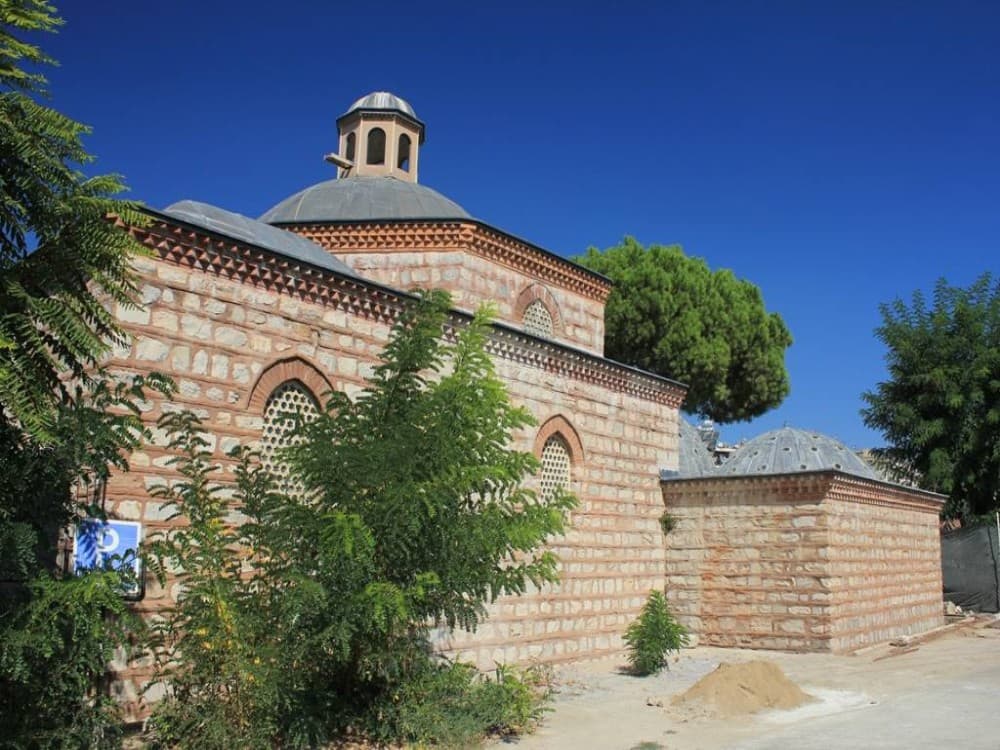
Es gibt noch keine Touren in Saadet Hatun Hamam Museum.
The museum is open to the public throughout the week except Mondays. It features both the men’s and women’s sections of the original bathhouse, along with informative exhibits explaining how traditional baths operated. Entry tickets are affordable, and guided tours are sometimes available for small groups. The site is managed by the İzmir Metropolitan Municipality and includes interactive displays for a more engaging experience. English and Turkish information panels make it easy for all visitors to follow the story.
Although it’s no longer a functioning bath, the museum provides an authentic look into Ottoman bath culture. The marble floors and chambers can be cool, so wearing comfortable shoes is recommended. Photography is allowed in most sections, but flash is discouraged. Since the museum is compact, visitors typically spend around 30–45 minutes exploring, making it ideal for a quick cultural stop while touring İzmir’s historic center.
Saadet Hatun Hamam Museum is located in the bustling Kemeralti Bazaar area, just a short walk from Konak Square. You can reach it easily by metro, getting off at the “Konak” stop, or by taking any city bus heading to the Konak district. The area is pedestrian-friendly, so walking is often the best way to explore. Taxis and ride-share services are also convenient options if you’re staying farther away.
The best time to visit is during the morning or early afternoon when the museum is less crowded, and nearby shops in the bazaar are open. Visiting on a weekday allows for a quieter experience. Spring and autumn offer the most comfortable weather for walking around the historic center, though the museum itself stays pleasantly cool year-round thanks to its thick stone walls.