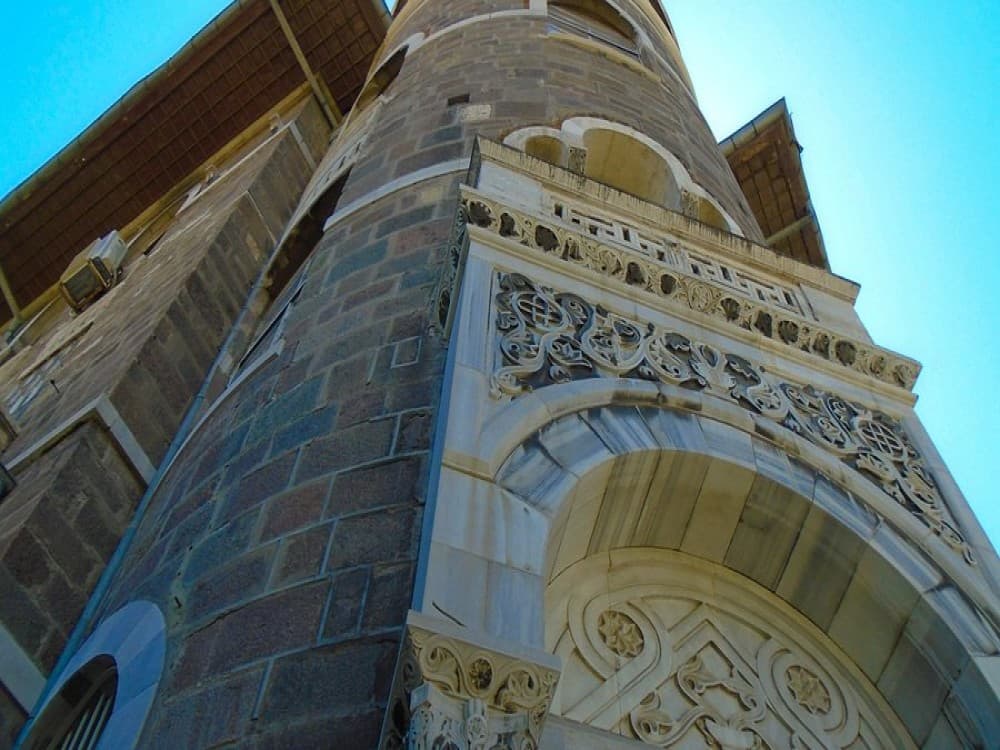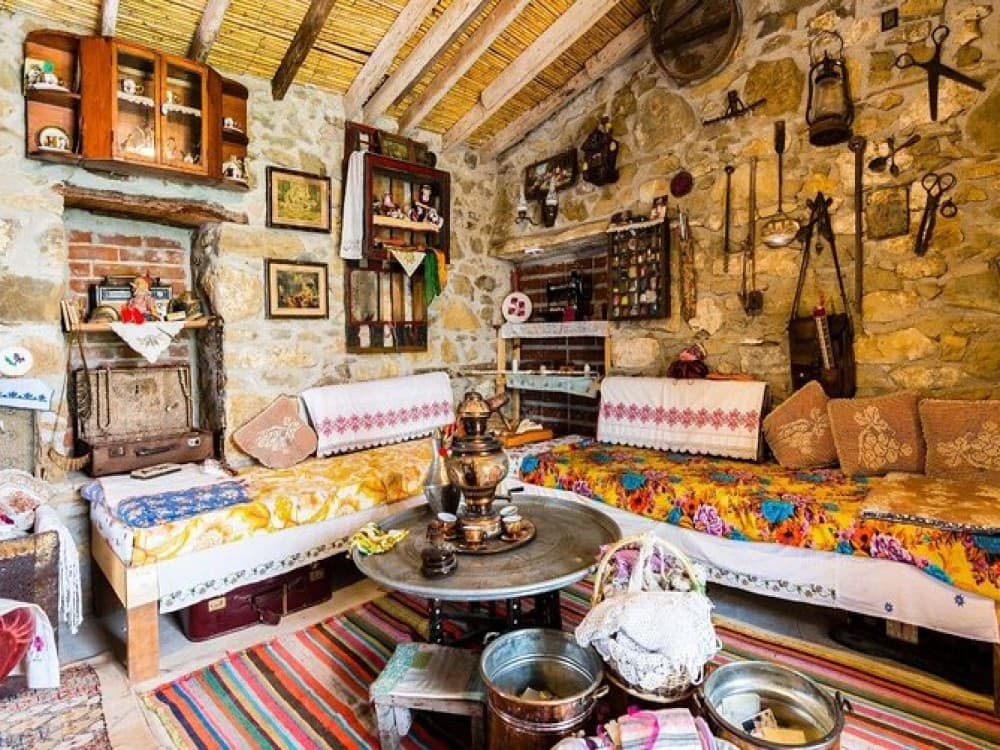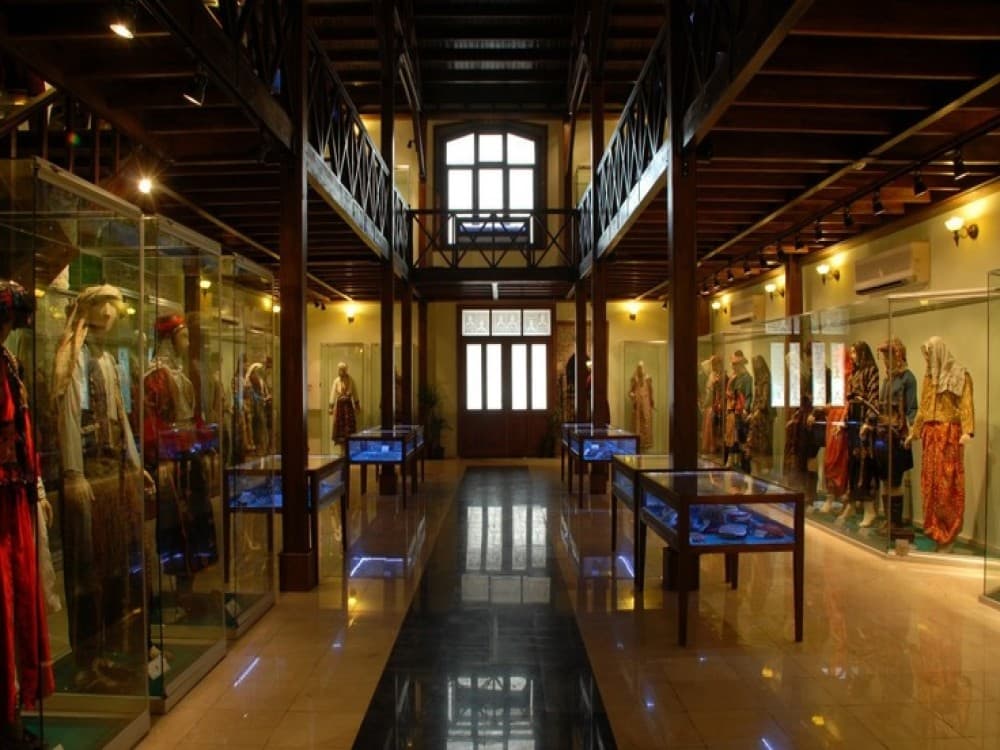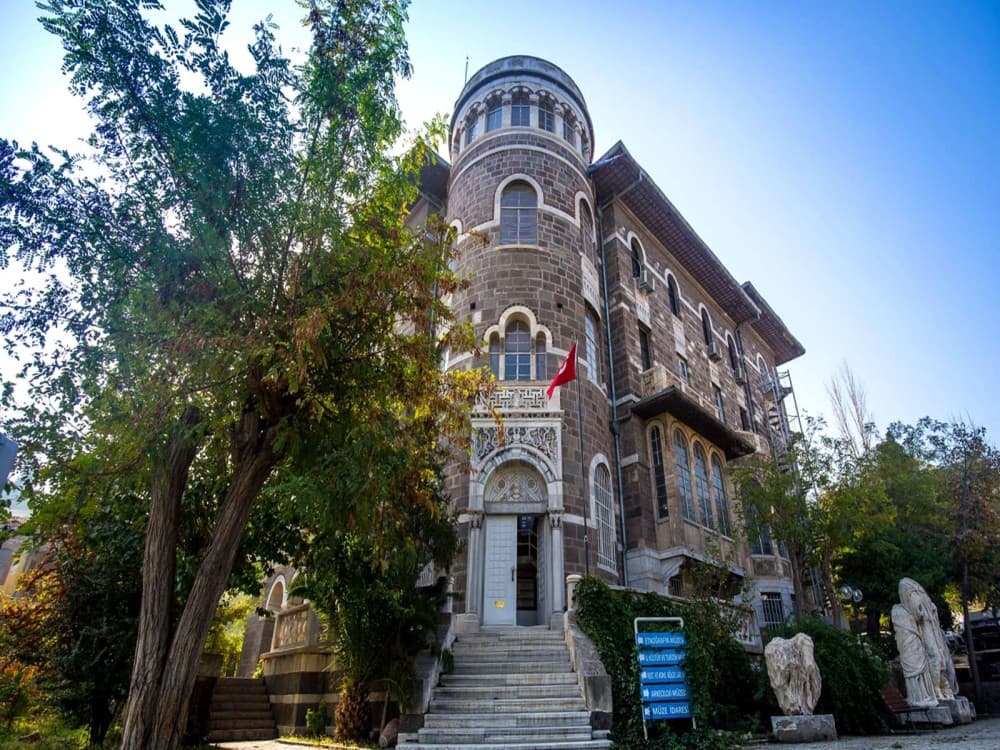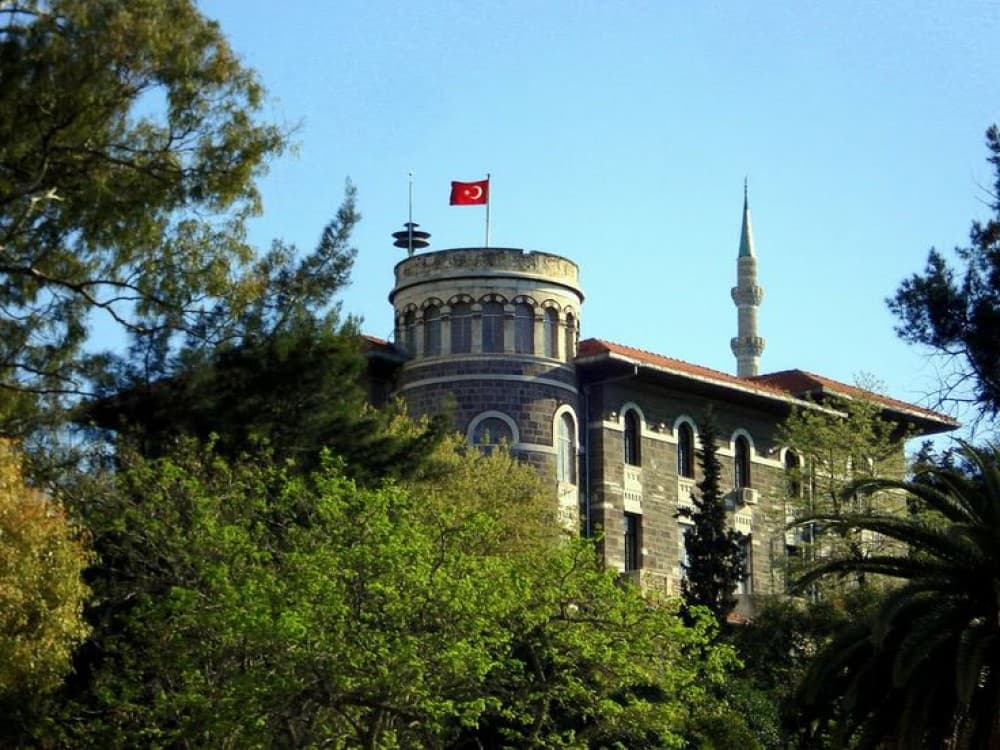
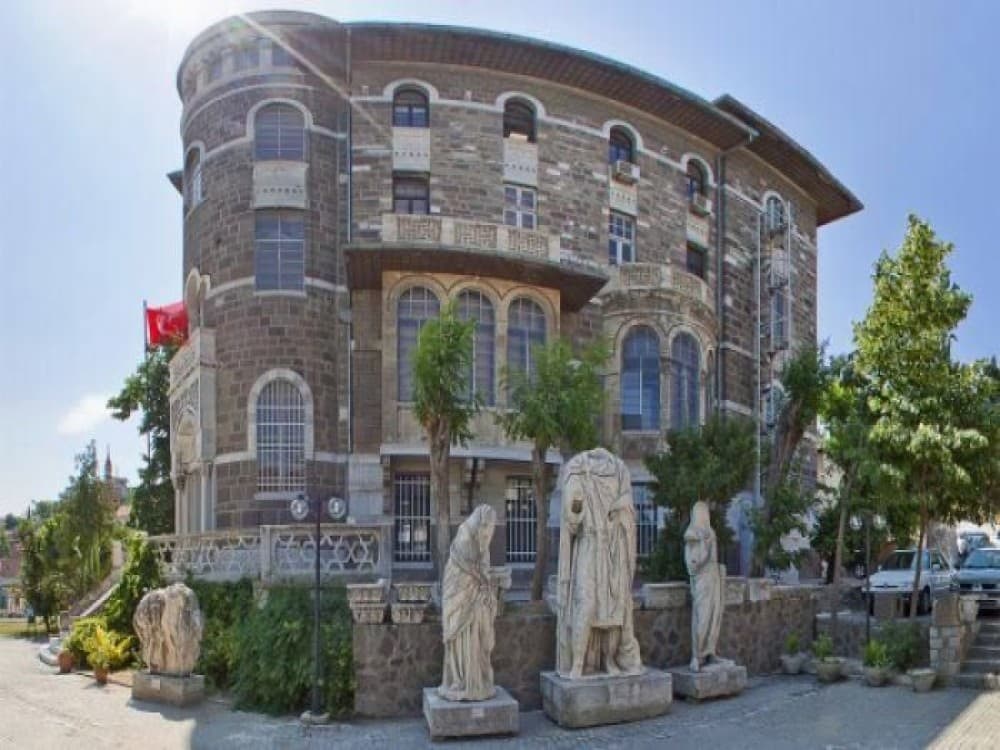
The İzmir Ethnography Museum stands in a historic neoclassical stone building near the heart of the city, offering a fascinating window into the 19th-century social life and traditional crafts of the İzmir region. Exhibits include recreated rooms such as a guest parlour, a bride’s room, and the first Turkish pharmacy in İzmir, as well as displays of handicrafts like tin-plate work, felt-making, bead-making, wood-block printing and carpet weaving. There are also displays of jewelry, weaponry, manuscripts and other cultural relics, giving visitors a vivid sense of everyday life in the past and the region’s folk heritage.
Es gibt noch keine Touren in Ethnography Museum.
The museum is located in the Konak district of İzmir and occupies a building originally constructed in 1831 as St Roche Hospital, later used as a care home and health directorate before its conversion into an ethnography museum. The exhibition halls span the first and second floors, while the upper floor houses offices and storage. The museum’s mission is to preserve and present local crafts and traditions—some of which are fading in the modern era. Admission is free, and many visitors spend about 30-60 minutes exploring the rooms and displays, making it a convenient stop on a city sightseeing route.
When visiting the Ethnography Museum, keep in mind a few practical details: The building has old-stone flooring and some uneven surfaces, so wearing comfortable shoes helps. The museum is quiet and contemplative, so it's best to move gently and respect the space. Photography is usually permitted, but flash may be discouraged in certain display rooms check at the entrance. Since exhibits include delicate items like textiles and historic furniture, try not to touch the displays. As the site is in a busy central district, you may want to keep an eye on personal belongings and be aware of your surroundings.
From the waterfront or Konak Square in central İzmir, take the tram or bus to Konak station, then walk a short distance into the museum grounds. The Ethnography Museum sits within the museum-garden area alongside the Archaeology Museum in the same zone for easy combined visits. Taxis and rideshares also drop you directly near the museum; parking in the immediate area is limited, so public transport or walking is often more convenient. Once you’ve arrived in the district, the museum is sign-posted and easy to spot from the main street.
The best time to visit is mid-morning or early afternoon, when light from the windows makes the display rooms comfortable and the museum is typically less crowded. Spring (April–May) and autumn (September–October) bring pleasant ambient weather for arriving and departing on foot. Summer midday can see more visitors and warm outside temperatures; winter visits are entirely possible though daylight hours are shorter. Allocate around 30-45 minutes for the museum alone; if you are combining with the adjacent Archaeology Museum or a walking tour of the area, allow up to an hour or more.