Montpellier: Parc de Lunaret - Zoo de Montpellier | ®ExcursionMania
Montpellier

Parc de Lunaret - Zoo de Montpellier

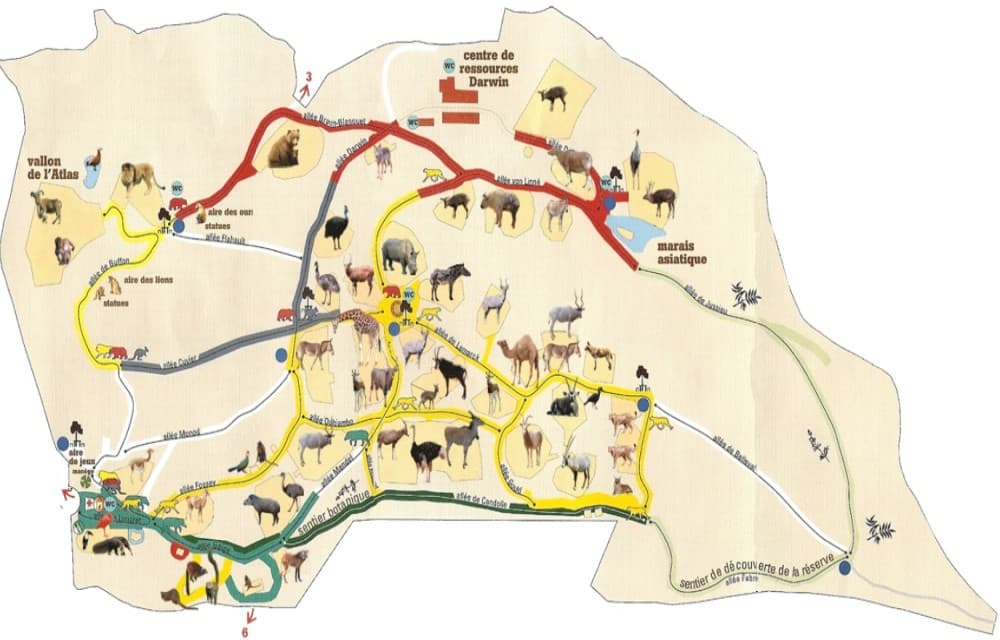
Located just north of Montpellier city center in southern France, Parc de Lunaret - Zoo de Montpellier (also known as Parc Zoologique de Lunaret) offers a lush escape immersed in nature and wildlife. Spanning approximately 80 hectares, the park features lush Mediterranean bushland, forest trails, and open meadows where you can encounter more than 140 species of animals from all continents. This experience combines the feel of a traditional zoo with that of a large nature park; stroll among the tall trees, explore long paths, and pause in tranquil spaces. It's a relaxing experience for families, couples, or anyone vacationing in Montpellier looking for a break from the hustle and bustle of the city.

Parc de Lunaret - Zoo de Montpellier Touren und Tickets

Es gibt noch keine Touren in Parc de Lunaret - Zoo de Montpellier.

Alles über Parc de Lunaret - Zoo de Montpellier

Was Sie erwartet

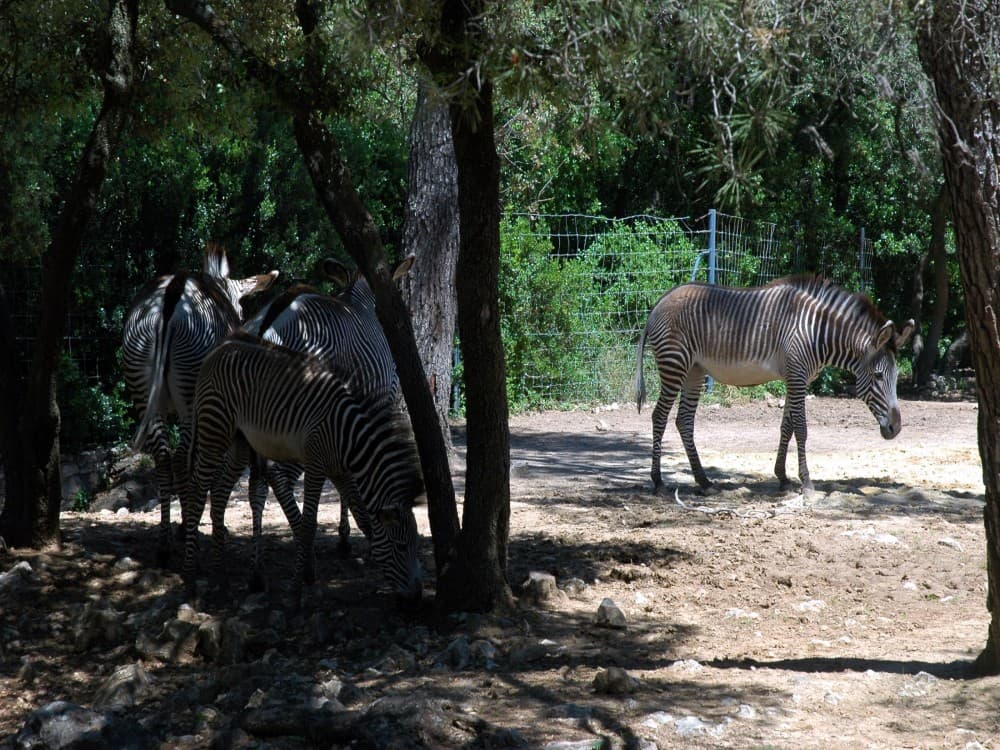
Located at 50 Avenue Agropolis, 34090 Montpellier, the Parc de Lunaret – Zoo de Montpellier stretches across approximately 80 hectares of lush Mediterranean landscape. The main zoo area is free to enter, making it one of the most accessible attractions in the city, while the impressive “Serre Amazonienne” – a tropical greenhouse recreating the atmosphere of the Amazon rainforest – requires a small admission fee (around €6.50 for adults in 2024). Home to over 140 species living in spacious, natural-style enclosures, the zoo offers visitors the chance to see animals such as Grévy’s zebras, giraffes, cheetahs, and lemurs in a serene, open-air setting. Well-designed for comfort, the park provides picnic areas, a snack bar, restrooms, and shaded walking paths, ensuring a pleasant and relaxing visit for families and travelers alike.

Warum diese Tour buchen

Before your visit to Parc de Lunaret, it’s worth keeping a few practical tips in mind to make the most of your day. With around 11 kilometers of walking trails, comfortable footwear is essential for exploring the park’s vast natural landscape. During the warmer months, be sure to bring water and sun protection, as the Mediterranean sun can be strong despite the shaded paths. The “Serre Amazonienne” greenhouse is a separate, ticketed attraction, but even if you choose to stay within the free main park, there’s plenty to enjoy for a full day. For a deeper experience, guided tours are available by reservation, offering insight into the zoo’s conservation efforts and animal care. Note that some renovation work is ongoing for the future “Grand Parc de Lunaret” expansion, so certain paths may be temporarily closed. As the park sits within a natural environment, visitors with strollers or limited mobility should plan their route in advance. While entry is free, visitors are encouraged to support the park’s conservation initiatives through optional donations.

Die richtige Tour auswählen

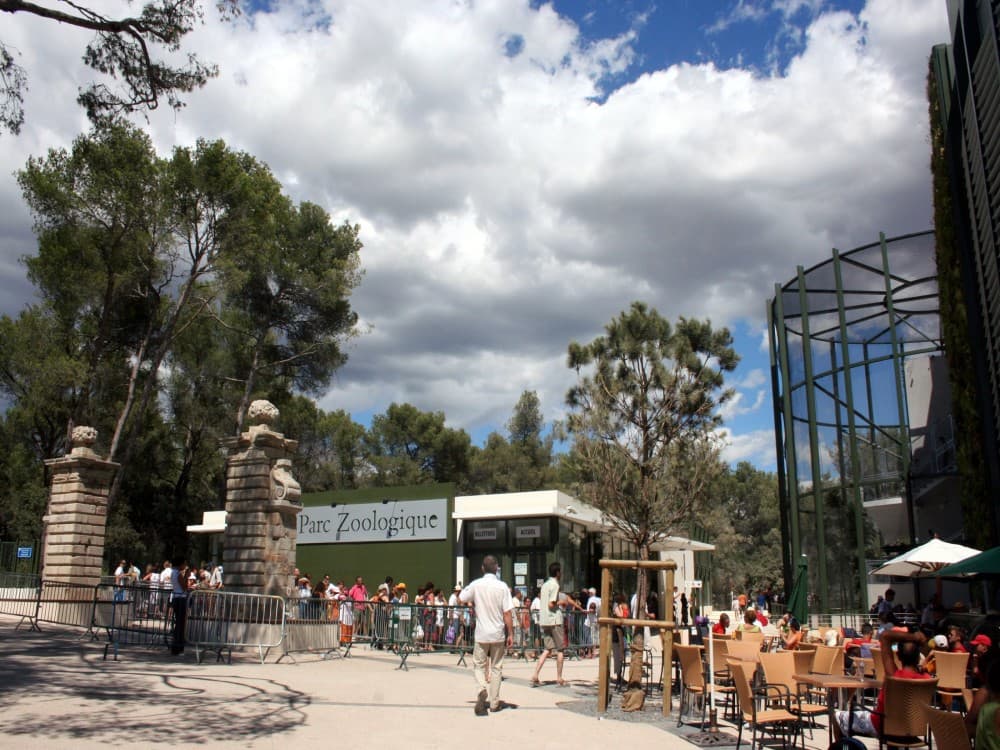
Reaching Parc de Lunaret from Montpellier city centre is easy and convenient. Visitors can take Tramway Line 1 to the stop “Université des Sciences et des Lettres”, then transfer to Bus or Navette B, which runs directly to the “Zoo” stop near the main entrance. For those arriving by car, simply drive along Avenue Agropolis (50 Avenue Agropolis) and follow the clearly marked signs leading to the park and parking areas. It’s worth noting that some GPS systems may direct you to a private dead-end, so using Waze or an updated navigation app is recommended. Ample parking is available on Avenue du Val de Montferrand, Avenue du Vert-Bois, and Avenue Agropolis itself. If you’re staying in central Montpellier, the journey typically takes 10–15 minutes by tram and bus, while driving may take slightly longer during peak visiting hours or busy weekends.

Wissenswertes vor der Abreise

Parc de Lunaret is open Tuesday to Sunday, including public holidays and school holidays (Zone C), and usually closed on Mondays outside these periods. Opening hours vary by season—from 10:00 to 18:00 between February and May, 9:30 to 18:30 during the summer months, and 10:00 to 17:00 in winter. The best time to visit is early in the morning, when the park is quieter and temperatures are cooler, or in the late afternoon, when the light softens and animals are often more active. Families are encouraged to arrive early to enjoy the park at a relaxed pace; with free entry, you can stay and explore as long as you wish.